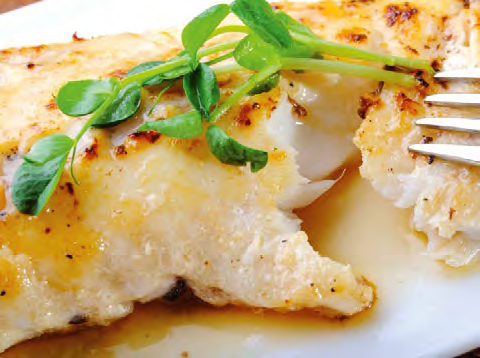
There are more than 100 species in the leatherjacket family, most commonly found in the tropical and subtropical waters of the Atlantic, Pacific and Indian Oceans.
The name leatherjacket originated because of their thick, tough, leathery skin, which lacks normal scales and can be peeled off similar to that of a regular ‘jacket’.
It is easy to recognise a leatherjacket species as they all have a unique, sharp spine on the top of their heads; some of the species may possess smaller spines, however they all retain similar identifiers making them easy to distinguish.
Leatherjackets often come in a variety of colours and spectacular patterns adorn their body; the males especially will be brightly coloured with amazing patterns across their body.
Differentiating between the leatherjacket species and the sex of the fish is not overly important for an angler as there are currently no protection laws in place for any leatherjackets in Australia. And, to date, size restrictions are also not applicable to any leatherjacket species in Australia.
Leatherjackets are commonly referred to as the ‘king of the ocean’ due to their ‘jacket’ and ‘slick spine’ – anglers joke that the leatherjacket species are Elvis impersonators.
To be perfectly honest, many anglers actually find leatherjackets to be real pests; they are the type of fish you catch accidentally when casting for whiting or barramundi, they will devour your bait if given the chance and bite through your rig if you are not careful.
You don’t need experience to catch a leatherjacket; thanks to their insatiable appetite it can be easy to land up to 20 leatherjacket in just one sitting (please note, in most Australia states this is the maximum bag limit per person, but it is always a good idea to check with a local fish and tackle store in the area to verify this). But if you are not out to land one and you find yourself reeling them in – find a new fishing spot, because where there is one, there are usually many.
Leatherjacket can be found in estuarine, coastal and offshore waters; commonly they will hug closely to structures for food and protection. In estuarine waters try casting near pier pylons, wharfs and weed beds, and in coastal and offshore waters, leatherjackets will inhabit rocky reefs, sponge beds or sand/mud bottoms.
As well as the sharp spine on their head and their rough leather like skin, all leatherjackets are endowed with a small but very powerful mouth equipped with prominent and very sharp beak like teeth. They use their dental gear for chopping food from rocks and weed. These teeth also have no problem biting through fishing line and even light gauge hooks.
When in plague proportions, leatherjacket will bite down on anything they see, including beads, swivels and coloured line (so you can probably understand now why anglers call leatherjacket pests). And one of the worst things that can happen when you’re fishing is to reel in, time after time, and discover your line has been snapped. To reduce the amount of times your rig will be snapped when fishing for leatherjacket, use a clear light nylon line with no trace of beads or swivels, and a running sinker; however if you prefer casting with a swivel, try to stick to black colours for added discretion. Relatively long, shanked, small sized hooks in conjunction with soft bait will increase your chances of landing a leatherjacket without your rig snapping off first. Bait such as peeled prawns, mussels, worms or abalone guts are ideal.
Because their mouths are so small, leatherjacket will often sit quietly next to your bait and eat it straight from your hook. For this reason, areas with a bit of tide flow make it harder for them to sit still, so they will attack baits harder, making it easier to feel bites.
Leatherjacket love a free feed - if you are struggling to get a bite, try burleying the area first and any nearby fish will soon hone in on the food.
Because their mouths are so hard, you will often hook a leatherjacket through their lip; be sure to use a net to land them so that they won’t fall off your line as they breach the water.
Once caught, avoid the nasty spine on the leatherjackets head as you pull the hook out. After you have cut the head off, it should be quite easy to remove the leathery skin and clean out the insides of the fish. Be sure to put the flesh straight on to ice; the fish’s stomach is very smelly and this permeates the flesh as the fish dies so it is best to clean the fish as soon as you catch it.
If you are out fishing, your bait is disappearing and your line is snapping… you may have hit a school of leatherjacket! It is time to move on before you lose all your tackle - or, change your rig and start reeling leatherjacket in for a truly delicious dinner!