From burnout to bush camps: Why more Australians are hitting the road for a lifestyle reset, and how you too can travel healthily ever after.
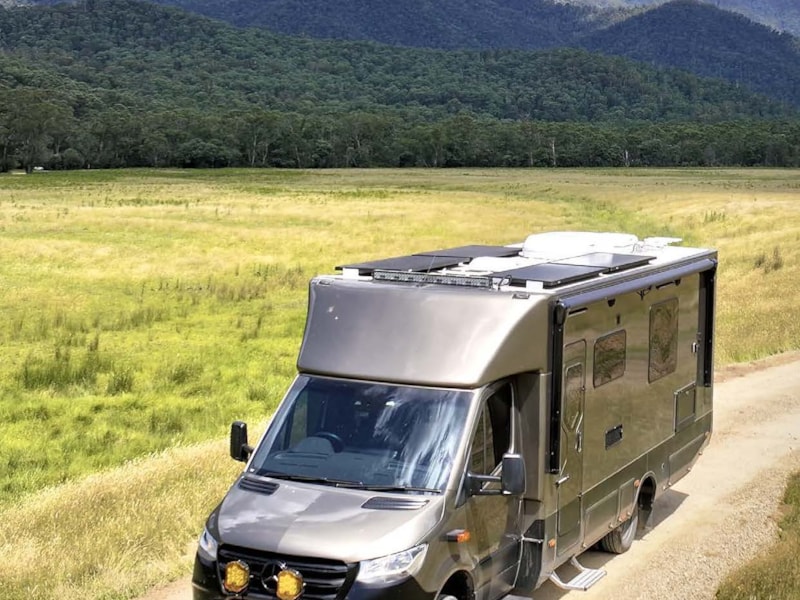
In early 2020, registered nurse Emilie Jamieson and software designer husband Paul were deep into preparations for their big lap road trip when the COVID pandemic hit.
“Working in a hospital during the very first lockdowns, as you can imagine, it was awful,” Emilie says, adding that by the time the worst was over and lockdowns lifted, the couple had reignited their travel plans.
“I was completely wiped out and struggling to enjoy work like I used to. Paul still had his long-service leave, so we packed it all up.” Together, the couple put burnout in the rearview and hit the road.
Burnout is no longer a fringe complaint from the overworked few. A June 2025 Beyond Blue poll revealed half of Australians surveyed experienced burnout in the past year, while a 2026 Gallup study found one in two Australian employees felt significant stress the previous day, making the dream of pulling up stumps and taking to the road feel less like escapism and more like self-preservation.
After a year on the road, Emilie says they both felt better connected and significantly less stressed. Putting their Melbourne house on the rental market, they signed up for a second year and have yet to return home.
“It’s probably been easier for us as we don’t have children or pets, and we’ve been really lucky as Paul's work is project-based and he works remotely,” she says. “I’ve also been able to work for the Nurse-on-Call telehealth program, so having a strong telephone and wi-fi connection has been a non-negotiable, but so far we’re making it work … and we’re happier for it.”
ROAD TO WELLNESS
Life on the road can be wonderfully freeing. New places to explore, campfires to enjoy, roadside bakeries to investigate and sunsets that make you forget what day it is. But long-term RV travel can also sneak up on your body and mind in unexpected ways. Hours behind the wheel, irregular meals, patchy sleep, too much sitting and the occasional ‘holiday mode’ blowout can leave even the keenest traveller feeling sluggish.
Adopting a road trip wellness routine is vital, not just for your physical wellbeing, but mental health too. Luckily, staying well on the road doesn’t require a gym membership or a strict diet of kale. Including some small changes in your daily routine can have a significant impact.

GET MOVING
One of the easiest ways to build movement into travel life is to start moving before the RV does. A short walk of just 15 minutes around the caravan park, the local town centre or nearby park can help loosen stiff joints, clear your head and set you up for a travel day.
Likewise, treat fuel stops, meals and bathroom breaks as a chance to move. Get out, stretch, do a few gentle shoulder rolls, side stretches or even a short walk around the service station grounds. Your back, hips and neck will thank you. Regular stops also help with concentration and fatigue, making them a useful habit for both wellbeing and road safety.
PACK SIMPLE FITNESS GEAR
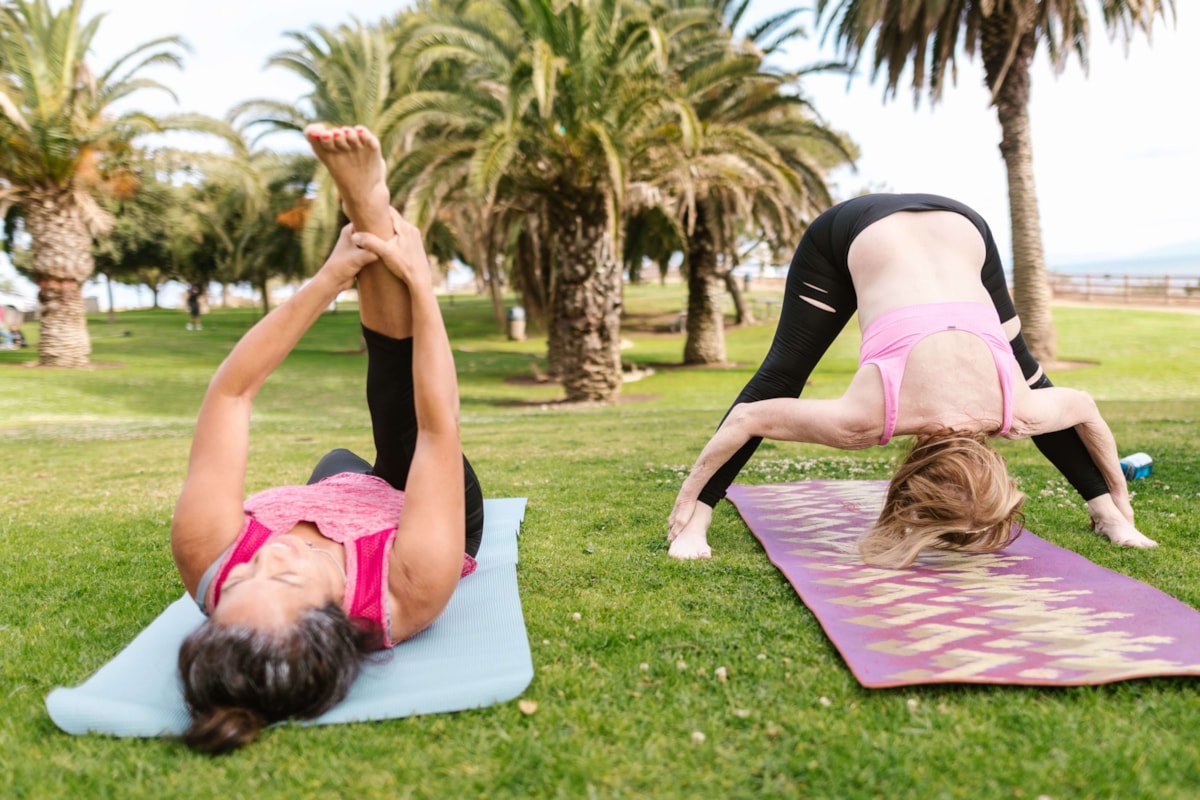
Resistance bands, a yoga mat, light hand weights or even a sturdy camp chair that can support a quick strength or stretching routine can be really useful. Resistance bands are especially handy because they take up almost no space and can be used for rows, squats, chest presses and mobility work. Keep them somewhere visible rather than buried in a storage hatch. Out of sight, out of routine.
MAKE THE DESTINATION YOUR GYM
One of the greatest benefits of RV travel is that movement comes with a view. Look for walking tracks, swimming spots, short hikes, rail trails, botanic gardens, beaches, lakes and local lookouts, and add them to your itinerary. Visitor information centres and council websites are often goldmines for accessible trails and easy walks.
The trick is choosing activities that feel like part of the trip, not a chore interrupting your adventures, such as a morning swim, a walking tour or a sunset hike to a lookout.

BUILD A HEALTHY KITCHEN
Healthy eating on the road starts with what’s within easy reach. Go easy on servo snacks and stock your cupboards with simple staples such as fresh fruit and veggies, eggs, wholegrain wraps, nuts and yoghurt. Get creative in remote areas where fresh produce is hard to come by. Tinned and frozen fruit and vegetables are equally nutritious. A well-planned camp kitchen makes it easier to throw together a healthy meal when you arrive late and tired or you’re tempted by that servo pie.
That said, food is part of the joy of travel, so don’t rule out local treats like country pubs or those divine local bakeries. Just balance them with easy healthy meals that keep you feeling human.
Likewise, campground happy hour is part of the journey for many. A drink at sunset can be lovely, but it is easy for occasional indulgence to become an every-night habit. Building in regular alcohol-free days can support better sleep, energy and mood.
Make it enjoyable rather than punitive. Stock sparkling water, herbal tea, good coffee, alcohol-free beer or a fancy cordial. A dry day should feel less like discipline and more like giving your body a night off the tools.
PRIORITISE SLEEP
Sleep can be disrupted by new environments, late arrivals and noisy neighbours. And driving tired can be disastrous. Having a simple wind-down routine can help.
Dim the lights, put the phone away, make a warm drink, read, stretch or step outside for a few quiet minutes of meditation or stargazing to clear your mind before bed.
Try to keep your sleeping space comfortable and uncluttered. In a small RV, mess has volume. A calmer van often provides a calmer mind.
STAY CONNECTED
Physical health matters, but so does mental wellbeing. Long-term travel can be exhilarating, but it can also bring loneliness. Schedule regular calls with family and friends, join traveller groups such as CMCA Members Connect on Facebook, chat to neighbours at campgrounds, or build rest days into your itinerary when you simply stay put and recalibrate.
The healthiest road routines aren’t complicated. Walk and stretch often, eat real, unprocessed food whenever you can, rest properly, stay connected, and permit yourself to slow down. Remember the point of life on the road is not just covering kilometres; it’s feeling well enough to enjoy where they take you.