CMCA Insurance guides you through water damage and how to stop leaks before they start.
MAKE IT ROUTINE
It usually starts small. A faint musty smell when you open your van after a few too many weeks in storage, or a soft patch on a wall panel that wasn’t there before. Left unchecked, it can become one of the costliest repairs an RV owner can face.
“NM Insurance supports more than 30,000 caravan and motorhome customers across Australia, including a growing number of CMCA members, and water damage is consistently one of the top three claimable events we see,” says CMCA Insurance claims manager Gemma Nolan.
That’s why it’s important members understand the common causes of leaks and take proactive maintenance steps to help prevent them. The trouble spots tend to be much the same whether you're towing a caravan or driving a motorhome, but regular attention can make a real difference.
START AT THE TOP
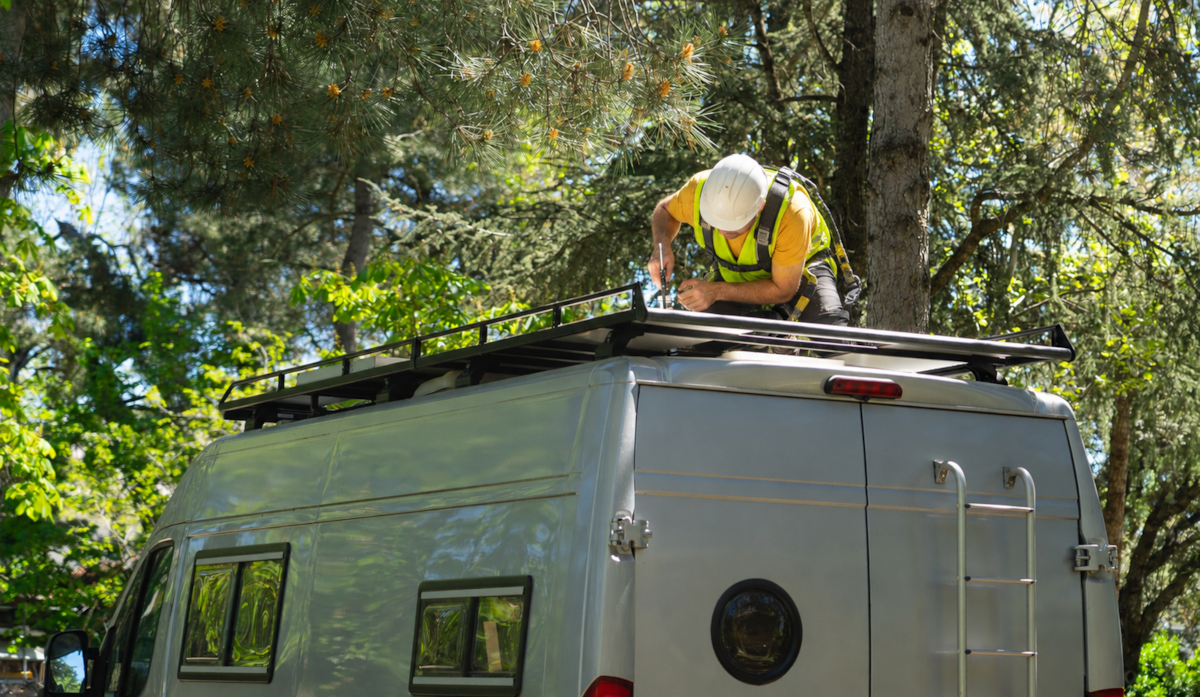
Sun is one of the biggest culprits for roof seal damage. Every three months, walk around your van or motorhome and check for cracking, lifting or a chalky finish around roof joins, hatch surrounds, awning fittings and air-conditioning units.
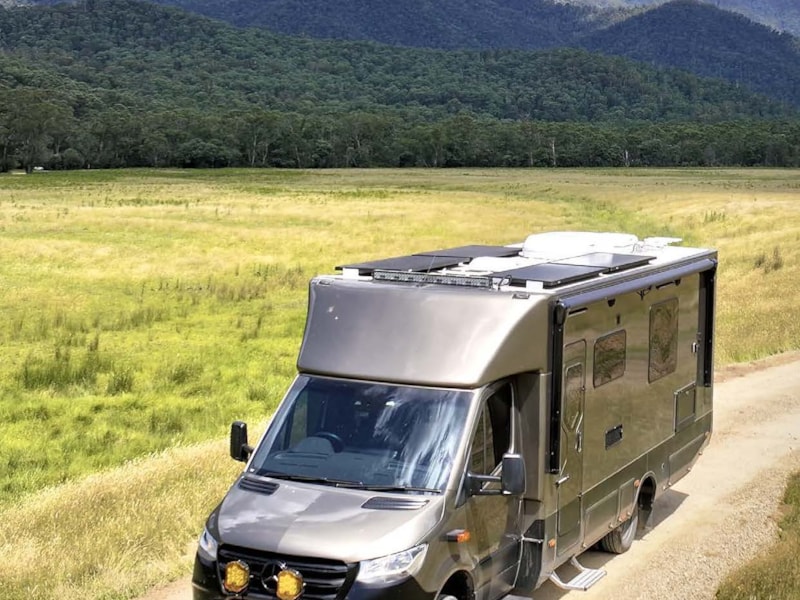
Don’t forget aftermarket fittings like solar panels, bike racks, antennas, reversing cameras and satellite systems, which all create extra points where sealant can fail. If anything looks worn, have it properly resealed rather than patched, and ask for a seal check whenever your RV goes in for a service.
HATCHES AND LATCHES
Run a finger along seals on doors, windows and hatches. If the rubber or foam feels hard, cracked or loose, it won’t seal properly and needs replacing. Also ensure doors close cleanly and drainage holes are clear so moisture can escape.
Motorhome owners have a couple of extra spots to watch. The join between the cab and living space is a common trouble area, along with windscreen and cab window seals. Don’t skip exterior lockers and bay doors either.

INSIDE INSPECTION
Check under sinks and around water fittings for loose clamps or slow drips, maintain the sealing on shower cubicles, and watch for new staining on walls or ceilings – an early sign of a failing seal.
VENTILATE
Before parking your motorhome away for extended periods, think about how you’ll manage moisture. Good airflow makes a difference, so crack open roof vents and, where safe to do so, leave a window slightly ajar.
Humid regions may benefit from a dehumidifier, while breathable covers are a better choice than solid tarps, which can lock moisture inside.
MAKE IT ROUTINE
A quick walk-around every three months will catch most issues early. Regular washing helps you spot problems sooner, and a protective roof treatment adds extra UV resistance. It’s also important to complete an inspection after severe storms, hail or long trips on rough roads, where vibration and impact can affect seals.
Take photos each time to track changes and build a simple maintenance record for future claims. Owners should also keep a log of any servicing and maintenance completed, including details of the service provider, the work performed and the date it was carried out.
Time spent now can save big expenses down the track and help ensure your cover is there for the big surprises, not the preventable ones.