If your RV travels include off-grid adventures, or you're keen to seek out the freedom of more remote locations, then investing in solar could be a great option for power on the road.
Solar panels have a long lifespan, power generation is quiet, and its low maintenance compared to a generator. Plus with solar there’s less mess, less stink and less risk of burns or chemical spills.
Sounds good, but investing in solar also means an upfront outlay of cash, and it needs to be installed properly. You also need enough room for the panel array, the battery, and a few other parts needed to optimise the power output.
Solar technology is constantly evolving and there are options that offer flexibility, depending on the kind of traveller you are. But solar has its limits, so it's also worth considering how and where you travel before you think about investing.
THE OPTIONS
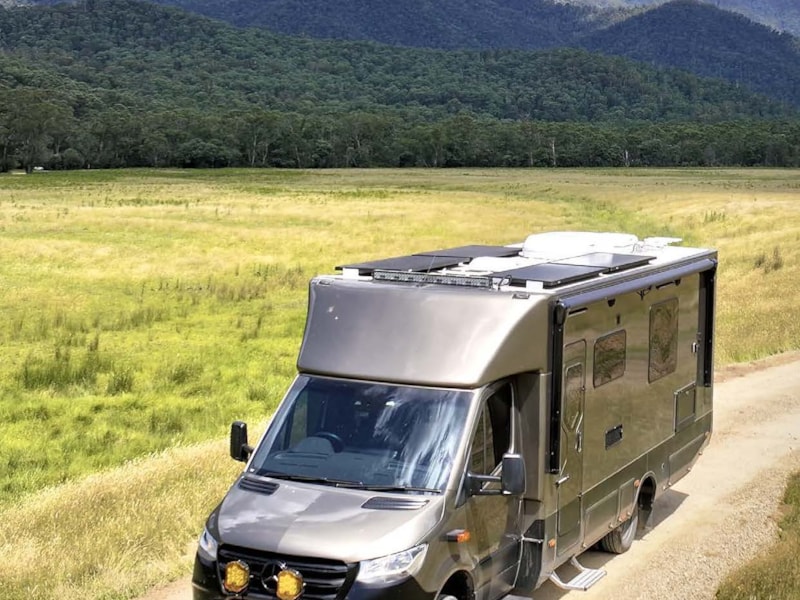
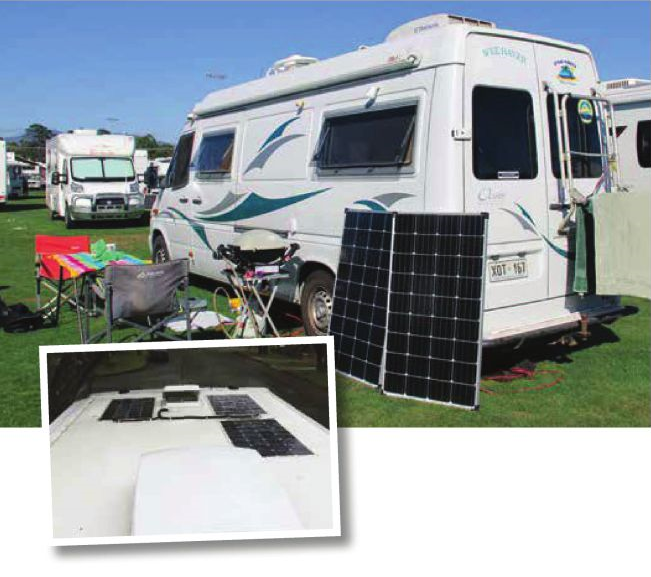
Fixed solar panels are 'set and forget'; once they're mounted on the roof of your RV that's pretty much it. They don't need to be set up or taken down and they pick up the sun's rays when you're on the move or parked up for the day.
The downside is they're laid flat and can't be repositioned to follow the sun. Plus, parking in direct sunlight is not always an option, which can further reduce potential power generation. Fixed panels also need to be cleaned regularly to optimise their performance.
Hard or flexible fold out panels can be repositioned throughout the day to maximise sunstrike, but they need to be stored, then set up and taken down every time you make and break camp, which might be too much effort at the end of a long drive.
Flexible fold-out panels can be manipulated to get even better coverage and can be mounted on vehicles. But extreme temperatures can cause the panels to warp slightly, causing water and dirt to build up and affect performance.
Solar blankets such as the Baintech 180W Solar Blanket are lightweight, compact and flexible enough to follow the sun. They're also easier to set up and pack up, and kilo for kilo they have a higher power output than traditional folding panels.
And once you've set up and you're exploring a trail on foot, a solar backpack, such as the Baintech Solar Backpack, which comes with a lithium battery as well, can keep your phone charged and make sure you always stay connected to camp.
SETTING UP YOUR SOLAR SYSTEM
It's useful to think of solar as a two-part system. Solar panels and a 'charge controller' charge the battery from the sun. Then an inverter converts that battery power from dc to ac to power the devices in your RV.
Getting the maximum power output from your system means thinking carefully about each state of the set up:
- The size and type of solar panels you choose determines the initial energy being fed into the system.
- The charge controller moderates the flow of power to the battery. A simple 'shunt controller' will switch off after a pre-set voltage is reached. A maximum point power tracker (MPPT) makes the current taper off gradually and can mean up to a 10 to 20 per cent power boost from one panel.
- Batteries are rated on amp-hours; the higher the amp hours the more power can be stored. The harder a battery works the sooner it will fail, and if your system only partially recharges, or the battery is regularly flat that will shorten its lifespan and reduce performance.
- Inverters have a watt rating which tells you the maximum power they can provide. Your ac device power needs are based on watt hours and your inverter rating has to be high enough to meet those needs.
- Electricity flows more quickly through thicker cable so even the system wiring can impact on performance.
SOLAR SLIP UPS
Investing in solar is more than knowing if you can get a system that meets you needs and avoiding a few common mistakes will make sure you make the right choice.
Underestimating how much pwer you use and overestimating the energy output from your system can leave you literally staring into the gloom at the end of a hard day's drive. And solar panels were not designed to mix and match. The technology of different systems is rarely compatible so if you put them together you'll probably end up with little or no power.
An energy audit will help you identify your power needs but it means being honest about the kind of traveller you are. A frugal lifestyle needs less power than home-from-home living.
If you only get off-grid fro a big event once a year a generator might just do the trick, especially if your neighbour is powering up theirs. And if your itenerary regularly includes powered sites, then you probably don't need to invest in solar. But if you want to head to even more remote locations then solar might just be your ticket to freedom.