

The honest pros and cons of free camping and caravan parks in Australia
If you’ve ever been travelling around Australia in a caravan, you’ll know the real question isn’t “Where are we going next?”, it’s “Are we splashing out on a caravan park tonight or rolling the dice on a free camp?”
Both have their charm. Both have their quirks. Free camping and caravan parks both have their place on the road, and most travellers end up using a mix of the two. But they’re very different experiences and knowing when to choose each can make a big difference to your trip comfort, budget and overall enjoyment.
The Freedom (and the Trade-Offs)
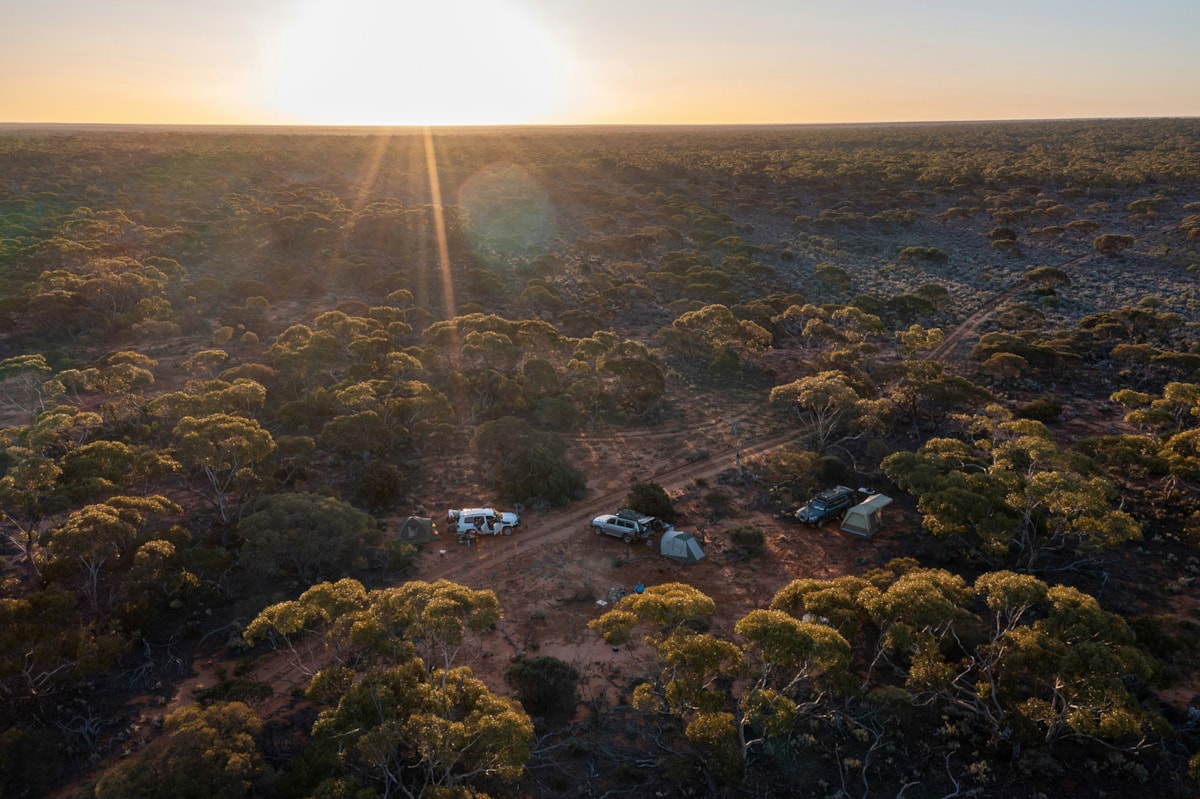
Free camping is exactly what it sounds like - staying in approved areas with no or very low cost. These could be rest areas (where permitted), council-approved bush sites or designated roadside stops.
The pros: The biggest drawcard is obvious: it’s budget-friendly. When you’re travelling long-term, those savings add up quickly - especially if you’re moving often. There’s also the sense of space and freedom. Many free camps are in natural settings (rivers, bushland, outback stops) where you’re not packed in side-by-side with other travellers. It can feel quieter, more relaxed and a bit more “real Australia”. Another benefit is flexibility. You can often arrive late, leave early and keep moving without needing bookings or check-ins.
The cons: The trade-off is comfort and convenience. Facilities can be basic or non-existent. You might be without showers, powered sites or reliable toilets. Water and waste management becomes your responsibility, which can mean planning ahead more carefully than you would in a park. There’s also the unpredictability factor. Some sites are busy, some are noisy (especially near highways) and some don’t quite live up to expectations once you arrive. And finally, not all free camps are truly “free” in experience terms – you might save money, but you sometimes pay in comfort or convenience.
The Comfort (and the Cost)
Caravan parks are the more structured option, offering powered sites, amenities and often a range of facilities like camp kitchens, pools, laundry rooms and playgrounds.
The pros: The biggest advantage is comfort and reliability. You know what you’re getting: hot showers, clean toilets, power for your air con or appliances, and often good mobile reception or Wi-Fi. They’re also great for routine. After a few days off-grid or in remote areas, a caravan park gives you a chance to reset – do laundry, restock, charge everything and catch up on life admin. For families or social travellers, caravan parks can also feel more connected. There’s often a community vibe, especially in popular holiday spots.
The cons: The obvious downside is cost. Prices vary, but over a long trip, staying exclusively in caravan parks can add up significantly. Space can also be limited. You’re often closer to neighbours, which means less privacy and sometimes more noise than you’d get at a free camp. During peak travel periods, availability can be an issue. You may need to book ahead or compromise on location. Some travellers also feel caravan parks can be a bit repetitive. Same layout, same amenities, same routine, especially if you’re staying in them too often.

So Which One Is Better?
The honest answer: neither. It depends on your travel style, your budget and what kind of day (or week) you want on the road.
The Hybrid Approach Most Travellers Swear By
A lot of experienced RV travellers end up using a hybrid approach:
- Free camp for a night or two to save money and enjoy open spaces
- Caravan park to reset, recharge and catch up on essentials
That balance often gives you the best of both worlds – freedom without burnout, comfort without overspending.


