Shoot smarter, not more
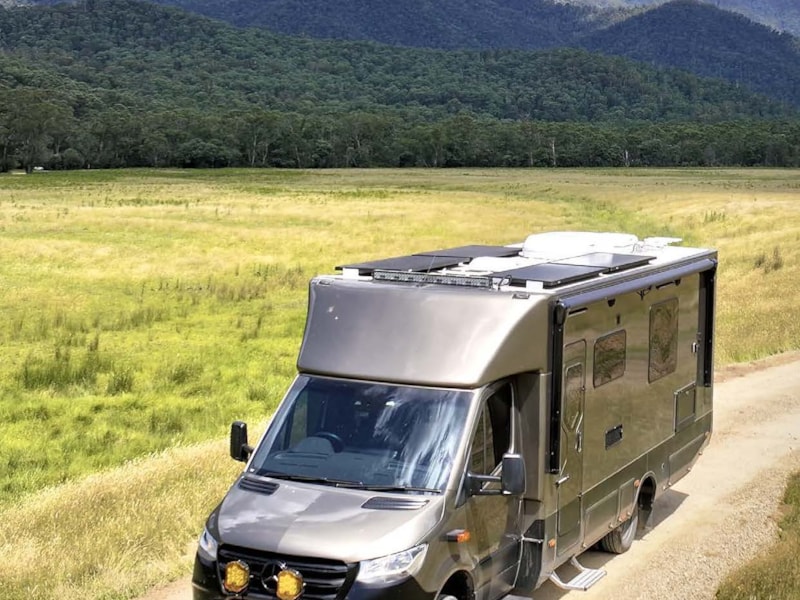
There’s something about travelling Australia by road (well in an RV) that makes you want to capture everything – the sunrise over red dirt, the kids playing outside the van, the long empty highways and that first coffee outside in a new place.
But if your camera roll is starting to look like a series of slightly blurry landscapes and overexposed sunsets, you’re not alone. The good news? You don’t need expensive gear or photography training to take better photos on your Big Lap or short weekend away. You just need a few simple habits.
Here’s how to lift your travel photography while still enjoying the trip.
Shoot the “In-between” Moments, Not Just the Big Views
It’s easy to focus on the iconic shots – the lookouts, sunsets, national parks. But the most memorable travel photos are often the everyday ones.
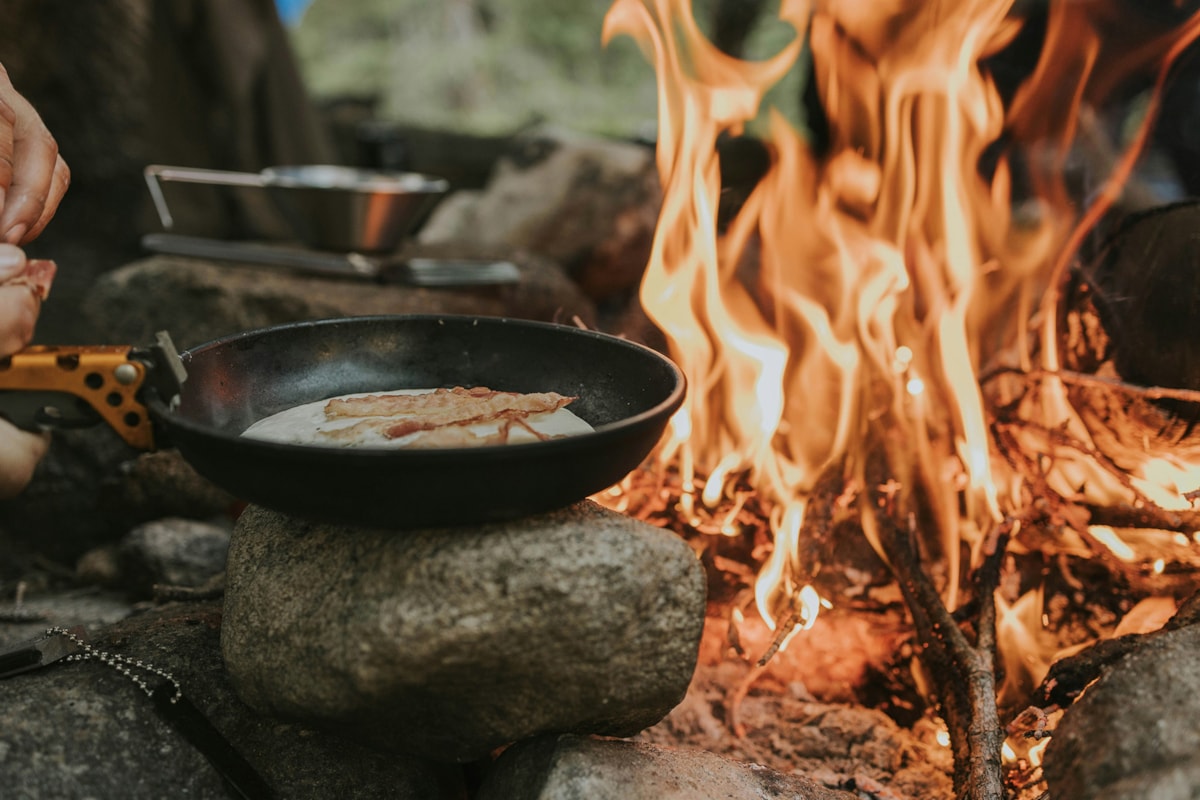
Think about things like setting up camp for the night, making breakfast outside the van, your dusty boots by the door, kids hanging out, road maps spread across your table. These moments tell the real story of the RV lifestyle, not just the postcard version.
Chase the Light - Morning and Afternoon Are Your Best Friends
Midday sun in Australia is harsh. It flattens colour, creates strong shadows and washes out skies. If you only change one habit, change this: aim for early morning light (think soft, cool tones, empty campsites, calm roads) or for the golden hour/late afternoon (think warm light, long shadows, richer colours).

Get Low, Get High, Change Your Angle
Most people take photos at eye level. That’s fine, but it’s also predictable.
Try kneeling low for foreground detail (grass, sand, campfire), standing on steps or a small rise for wider views, or shooting through objects like chair legs or camp setups.
Small angle changes make familiar scenes look new.
Take Fewer, Better Photos
It’s tempting to take hundreds of shots and sort them later, but that often leads to generic results. Try slowing down because you’ll end up with stronger images and less time scrolling through duplicates later.
A few tips:
- Pause before you shoot
- Ask what you’re trying to show
- Take 2–3 intentional frames instead of 20 quick ones
When you shoot in sequences, your photos naturally become more meaningful.

Why Imperfect Weather Actually Makes Better Photos
Perfect blue skies aren’t necessary for good travel photos. In fact, changing weather often makes images more interesting and truer to the experience.
Rain can add reflections, texture and atmosphere, while overcast light softens shadows and makes people and landscapes easier to shoot. Wind and dust bring movement and help show the character of a place and stormy skies can add drama and scale you don’t get on clear days.
Instead of waiting for ideal conditions, it’s better to work with what’s in front of you. A quick lens wipe and a bit of shelter is often enough to keep shooting. The key idea is simple: weather isn’t a problem to avoid; it’s part of the story you’re telling.
Start using these tips and see your photos transform into something truly spectacular.