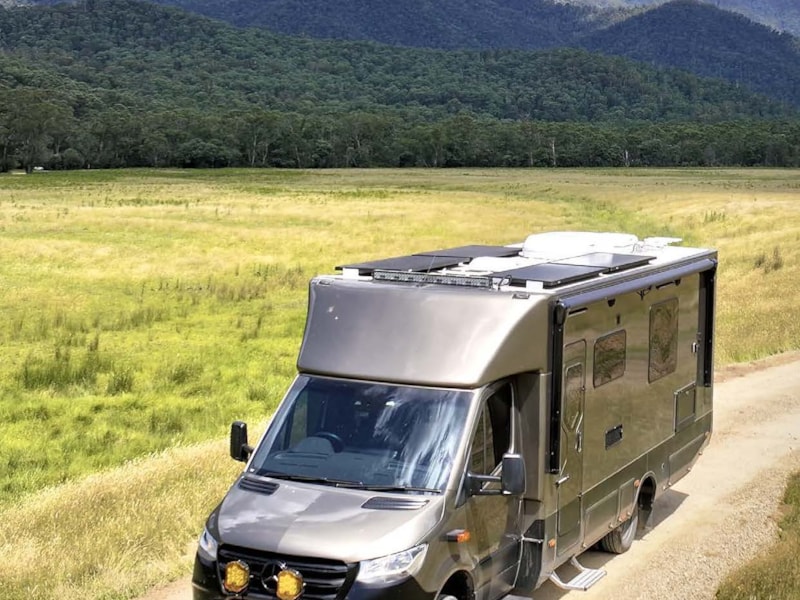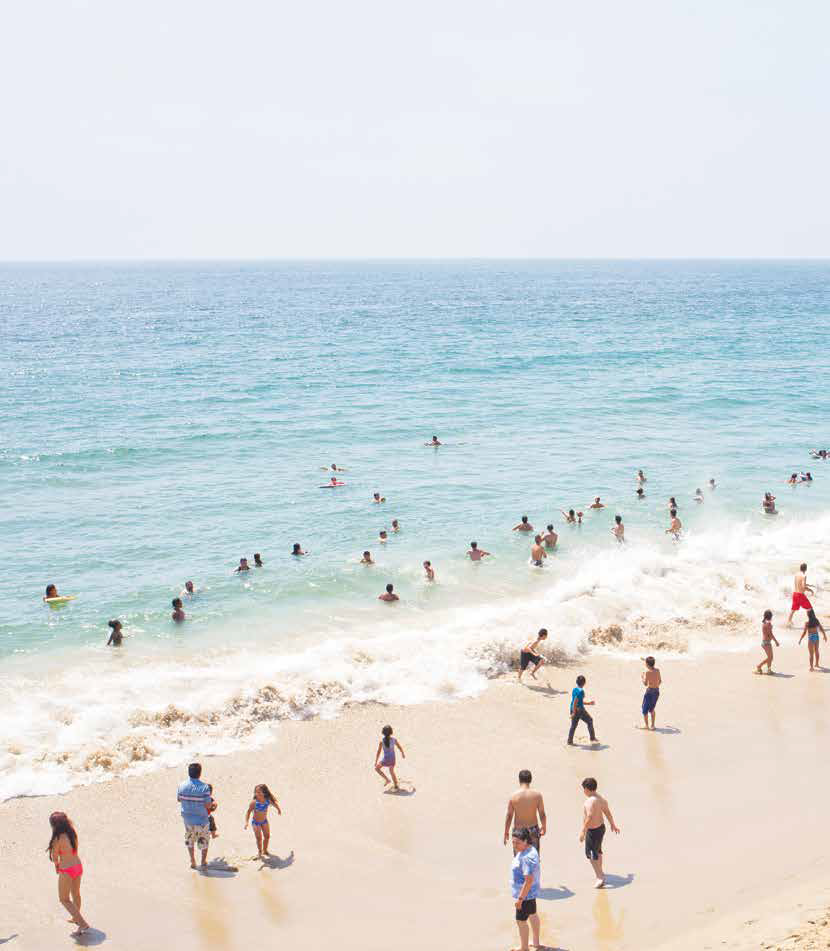
There is nothing quite like a coastal holiday in the summer.
Whether you’re a keen angler, swimmer, sunbather or beach cricketer, there’s nothing like a coastal holiday in the summer. The sunshine recharges your batteries and the ocean breeze helps to combat the fierce summer temperatures. However, to fully enjoy your summer, it is crucial that you consider some guidelines that will keep you safe in one of Australia’s most intense seasons.
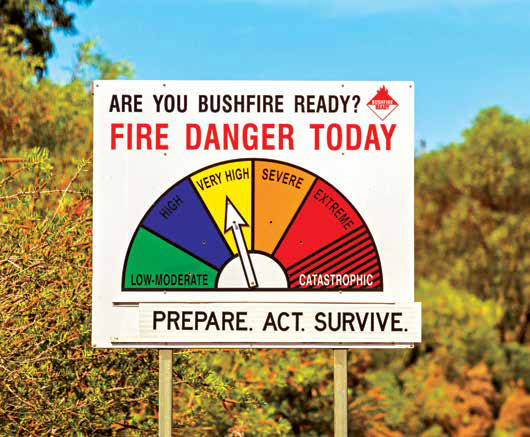
Keep an eye out for bushfire warning systems
Bushfire Danger
When you think of summer safety hazards in Australia, bushfires would have to be at the top of the list. Soaring temperatures combined with a dry landscape means that rural regions are at high risk of fire. When travelling, it is vital to do some research on your intended destination. Which emergency fire service covers that area? Different states have varied warning systems for bushfires and other natural disasters, so it’s important to be familiar with the different warning apps and communication systems.
For example, if holidaying in Victoria, it’s a good idea to download the VicEmergency App. This app is used by the CFA and other emergency services to communicate warnings, safety information and evacuation orders. If in NSW, the Fires Near Me app provides map-based information from the NSW Rural Fire Service. Each state and territory has its own system of warning and updating the community (see inset for more information).
For your own safety and the wellbeing of others, always remember to extinguish your campfire, if indeed campfires are permitted, before leaving. In hot temperatures, smoldering fires can grow out of control, which is why many regions enforce total fire bans in summer.
Bushfire Apps
- Victoria: VicEmergency
- South Australia: Alert SA
- New South Wales and ACT: Fires Near Me
- Queensland: QLD Fires
- Northern Territory: NAFI and Bushfires NT website
- Tasmania: TAS Fires
- Western Australia: WA Fires
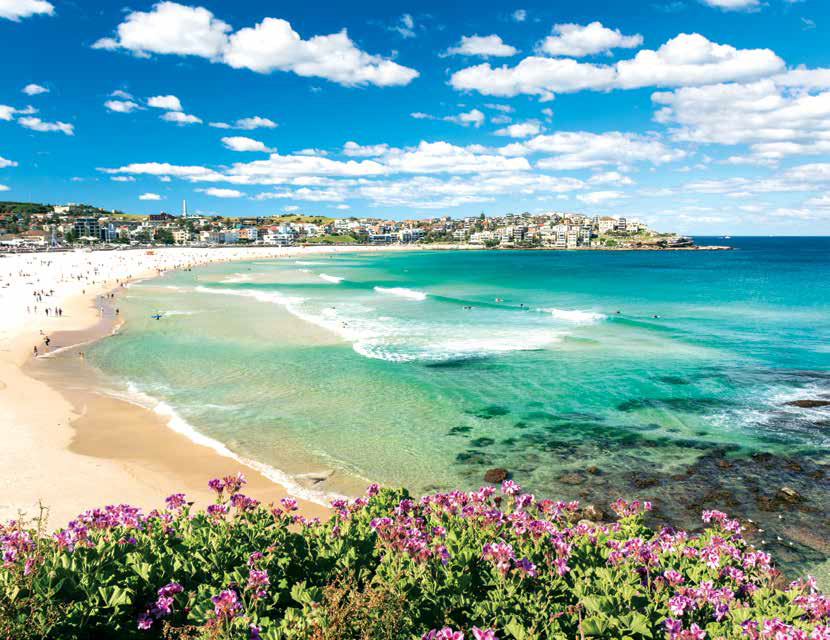
Australian beaches are among the best in the world
Swimming Tips
Australia is a land of stunning beaches and lakes. Our coastline beauty has many people wanting to take the plunge, but it’s important to remember safety guidelines. Drowning is a huge issue in Australia, with beaches posing the risk of unpredictable rips and rapidly changing conditions. Sadly, in fiscal 2022, 339 people drowned in Australia. This figure includes swimming pool deaths also, but many of these victims lost their lives at beaches and lakes.
Always swim between the flags. Lifeguards are trained to recognise hazardous conditions, so never ignore their warnings. If on an unpatrolled beach, don’t go out too far and pay constant attention to the conditions. If in doubt, have a splash in the shallows – even adults can have fun jumping waves!
Swimming alone is never advised. Even the healthiest and strongest of swimmers can get into trouble quickly. Take along a friend or partner to double the fun and minimise the danger, and always watch children in the water. Swimming aids are advised for young children, who can tire quickly.
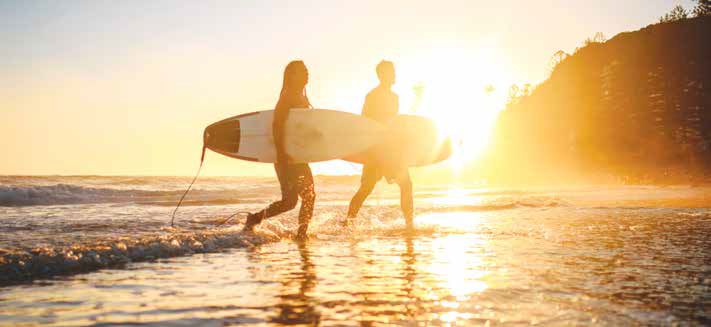
Beaches are there to be enjoyed
Never smile at a crocodile
Depending on where you are holidaying, drowning is not the only risk posed by beach swimming. In north Queensland and the Northern Territory, crocodiles are a significant risk. Always read the signs. Even on northern beaches that have no history of crocodiles, it is essential to read the signs. A quick Google on the region can also provide some information on its history of predatory reptiles. This warning also stands for freshwater bodies. Saltwater crocs are prolific in northern Australia, and they do not limit their presence to beaches. While freshwater crocodiles are considered less aggressive, they still pose a risk to humans.
The picturesque Four Mile Beach in Port Douglas, which is a popular tourist location, was closed in 2021 after a 1.5-metre croc was spotted only 20 metres from shore. According to Surf Life Saving Queensland, croc sightings in this region are not unusual from about September onwards, when conditions begin heating up.
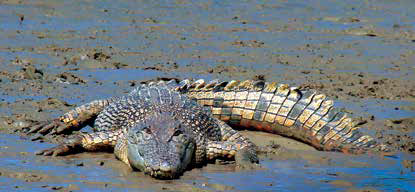
Not all crocs make themselves as visible as this fellow
Stingers
Australia’s northern beaches are simply stunning. Blue waters beckon swimmers to jump in and cool down, but there are hidden dangers at certain times of year. Australia has many varieties of jellyfish and marine stingers. Some will deliver a painful sting with no lasting effects, but many pose a real risk to life and health.
Stingers are usually a problem during ‘stinger season’, which is from November to May (October to June in the Northern Territory).
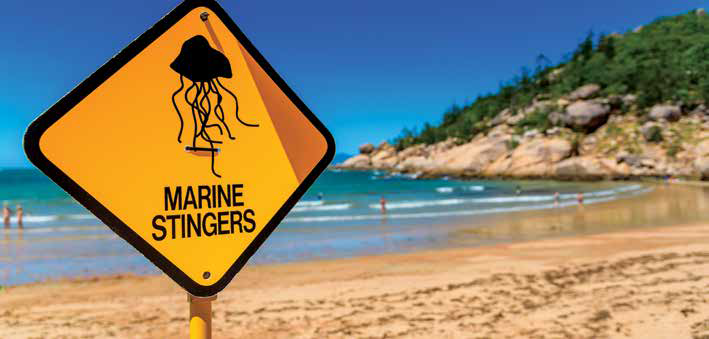
Take heed of warning signs
Box jellyfish is the term applied to around 50 species, but in Australia, the name usually applies to Chironex fleckeri. They are large creatures, with tentacles that can reach around three metres long, and their stings can cause death or severe respiratory distress. If stung, victims should seek immediate treatment as the venom can take effect within just a few minutes.
Irukandji is another type of box jellyfish that are so small and transparent they can rarely be seen. For such a small critter, their sting certainly packs a punch. While considered less venomous than the Chironex fleckeri, they can still cause major health problems. In fact, 100 people on average are hospitalised for these stings annually in Australia. An Irukandji sting will cause intense pain, vomiting and difficulty breathing.
Stinger suits are your best protection against these critters and are available for hire at most local surf shops for around $10 – a small price to pay for safety. Be warned though, suits do not cover your face and stings can occur on any exposed area, including hands, feet and the face. Always read the beach signs and be aware of the first aid procedure required if stung. Call 000 immediately for assistance if a sting occurs and follow the first aid protocol for stinger venom. Many beaches have a bottle of vinegar near signage to apply if stung. It is a good idea to take your own vinegar if you are braving a beach that is known to have stingers. Never use alcohol-based products on a sting – these will worsen the effects. If tentacles remain on the skin, remove them, but be careful to do so using gloves or a towel as the stingers will still be active.
If a beach is closed or unpatrolled, it is unwise to swim in affected waters during stinger season. Help may not be on hand if you are stung, particularly if you are travelling alone.

Slip, slop, slap!
Slip, slop, slap
Sun damage carries both long and short-term risks. A painful sunburn is horrendous to deal with, but the longer-term risks are far more dangerous. Unfortunately, with the beautiful Australian sun comes the risk of skin cancer. The Cancer Council of Australia reports that skin cancer is the most common cancer in Australia, with two out of three Aussies likely to be diagnosed with the condition in their lifetime (with varying severity).
Sun protection is your best weapon against burns and exposure. Choose a high-factor SPF and reapply after swimming.
A big, broad hat is an excellent guard against face exposure and quite the fashion statement!
Consider safety guidelines and have an incident-free holiday
Have a beach-safe holiday
While all of this information can sound scary, beaches remain an excellent choice for a relaxing holiday. Many incidents occur due to people not reading signage or following safety rules. As long as you remain informed about the conditions around you, the likelihood is that you will have a safe holiday.
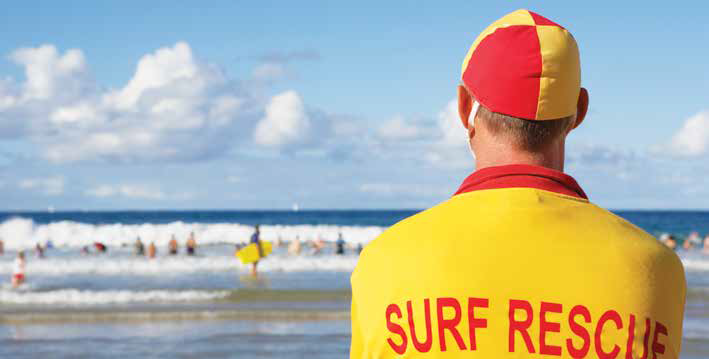
Always swim at patrolled beaches
Summer Safety Tips
- Slip, slop, slap. Apply sunscreen liberally and reapply as needed
- Keep track of bushfire warnings using the app recommended for your state
- Pay attention to signage at beaches and lagoons for information on crocodiles and marine stingers
- Protect yourself against mosquitos and other insects
- Be snake savvy! Now is the season to encounter slithering friends in bushland around beaches and swimming holes
- Always watch children in the water. It’s also a good idea to swim with a partner and avoid entering the water on your own
- Swim between the flags on patrolled beaches.