Timing and Migration Matter More Than Location
When people ask where the best place to see whales in Australia is, marine researcher Dr Vanessa Pirotta says the answer isn’t as straightforward as you might expect.
Yes, there are well-known locations like Byron Bay on the east coast or Head of the Bight further south. But focusing too much on “top spots” can actually miss the point. Whale sightings aren’t guaranteed anywhere. You can be in an incredible location and see nothing or be somewhere completely ordinary and have a whale pass right in front of you.
The reality is much simpler: if you can see the ocean during whale season, which runs from May to November in Australia, you’ve got a chance.
Which Whales Will You Actually See?
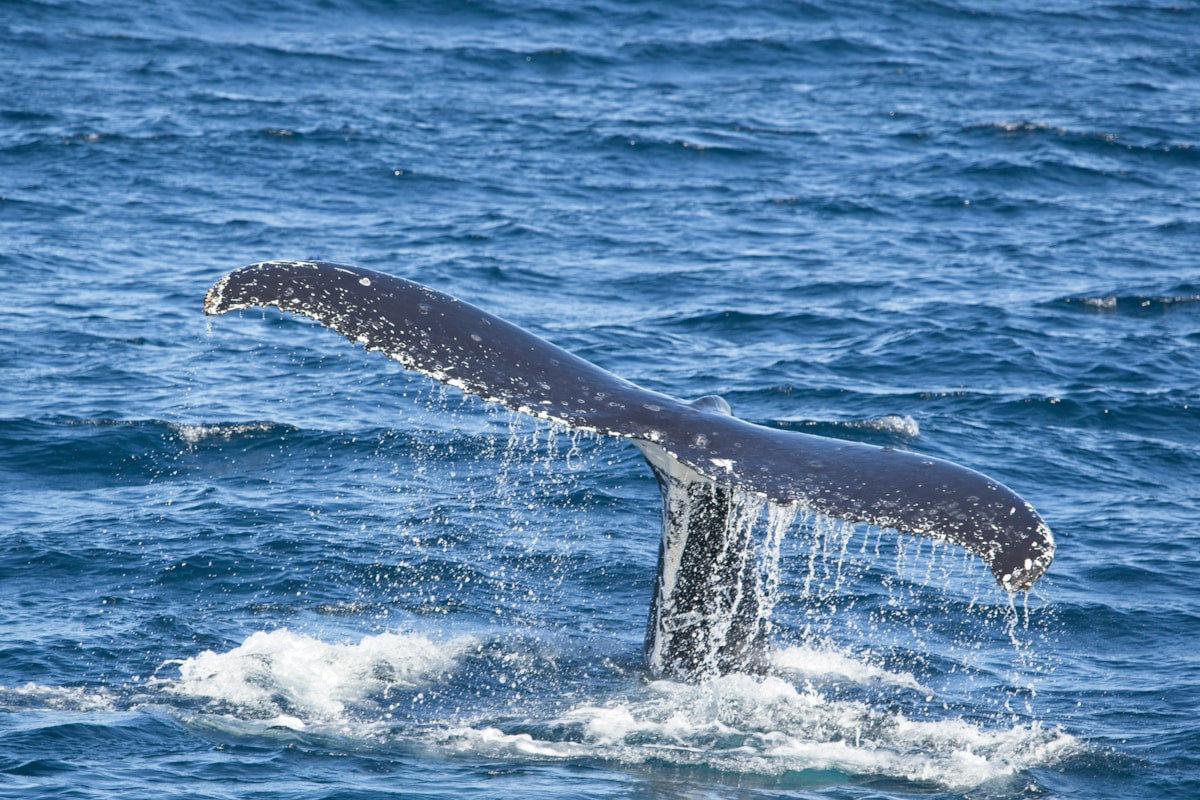
Australia sits along major migration routes on both the east and west coasts, as well as through southern waters. These routes are often referred to as “humpback highways,” because humpback whales are the species most people will see.
The species you’re most likely to encounter depends on where you are, but there are a few common ones:
- Humpback whales – the most likely sighting along both coasts
- Dwarf minke whales – often seen first on the east coast
- Blue whales – possible on the west coast
- Southern right whales – can appear in both regions
There are also less predictable species that may appear, including:
- Bryde’s whales
- False killer whales
However, these are less reliable sightings compared to humpbacks, which migrate in large numbers.

The Rarest Sighting of All: White Whales in Australian Waters
Dr Pirotta said while some believe the famous white whale Migaloo may no longer be alive, it’s still possible he could be. There have also been sightings of other white whales, such as one seen off the east coast called Siale.
“White whales are definitely something that makes the news because people are fascinated by them because they look like a giant iceberg sitting underwater,” she said.
You just never know your luck though, keep your eyes peeled during whale season and if you happen to catch a glimpse of what appears to be an iceberg, it just might be the rarest whale sighting of all.
How to Improve Your Chances
While whale sightings can happen in many conditions, there are a few factors that can help:
- Good visibility (clear weather, no rain)
- Safe conditions for viewing
- Spending time watching the ocean
That said, whales can still be active in wind and rain, so sightings are always possible even when conditions aren’t perfect.

Keep Your Distance: Watching Whales the Right Way
What does matter is how people behave around whales. Keeping a distance of at least 100 metres is essential, whether you’re on the water or flying a drone. The same distance applies from the air to ensure they remain high enough to avoid disturbing the animals. These measures help ensure whales are not stressed or disrupted. The goal is simple: observe without interfering.
Your Sighting Could Help Whale Research
An increasingly important part of whale research in Australia comes from everyday sightings.
Dr Pirotta said members of the public often contributed valuable data by sharing what they saw – from unusual behaviours to rare species.
In some cases, sightings shared through social media have even supported her own scientific research, including observations of feeding behaviours and “gaping” (mouth-opening activity).
If you see:
- A whale in distress or entangled
- A rare white whale
- Unusual or concerning behaviour
You should report it to local authorities such as:
- National Parks and Wildlife Services
- State environmental agencies
- Marine rescue or whale emergency response groups like ORRCA.
Now is the perfect time to test out these tips as the whales hit the Humpback Highway for their annual migration north.