Six iconic parks you can reach on an RV road trip
The bar is set high when it comes to the most dramatic national parks in Australia – the list includes some of the biggest hitters that star on the international stage, including Kakadu and Cradle Mountain, as well as its most ancient. Here are six of the best, all accessible by RV.
Cape Hillsborough National Park, QLD
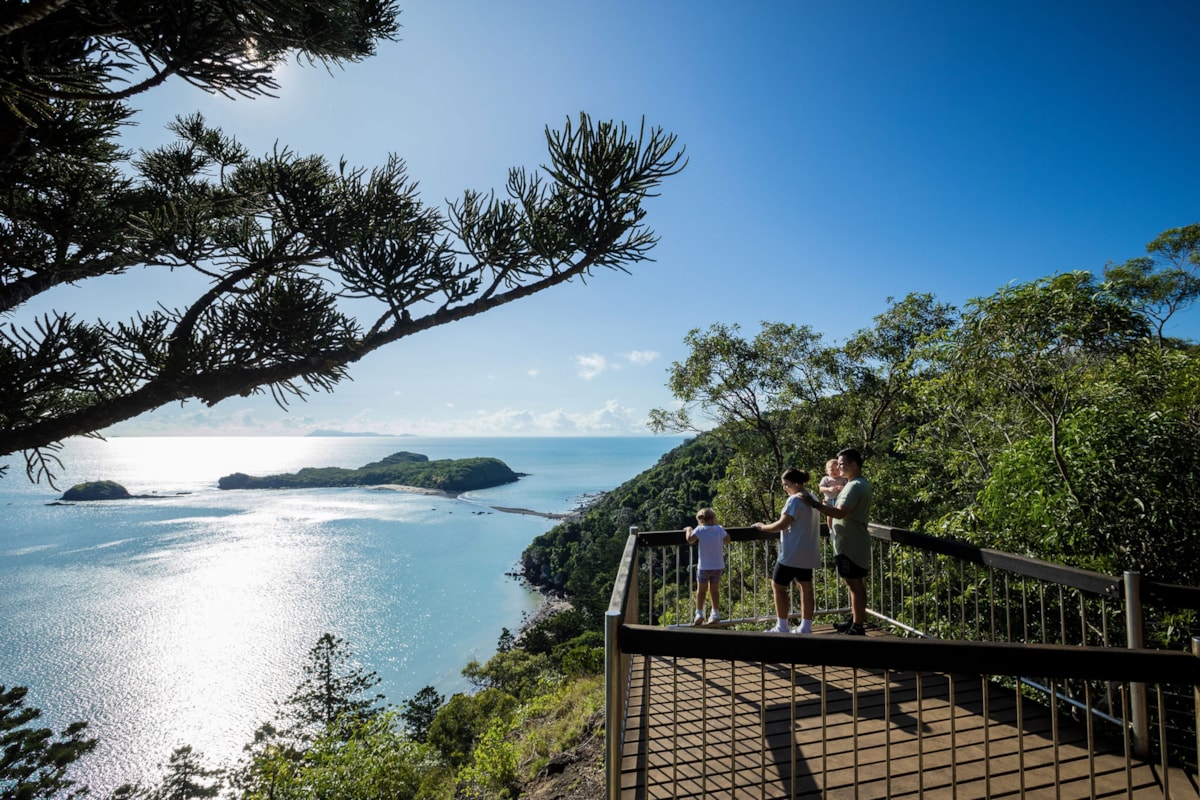
This national park’s most famous residents are its wallabies and kangaroos, who love to lollop across the broad beach at sunrise each day for the perfect “This is Australia” moment. Located 50 kilometre north of Mackay, the park has campsites for motorhomes, vans, tents and trailers, with some great fishing and walks that reward with spectacular views. Go up to the Twin Beach lookout, at the beginning of the Andrews Point Trail, for panoramic views out to the Cumberland Islands.

Kakadu National Park, NT
It’s hard to pinpoint what makes Kakadu so spectacular: the crocodile and lily-filled Yellow Water billabong? Art from the world’s oldest continuous culture? Its pristine natural pools and waterfalls? The Nadab Floodplain at Ubirr? Remote and mysterious, yet the main campsite at Cooinda Lodge is only three hours’ drive from Darwin. On the way, drop in to the excellent Marrawuddi Arts & Culture art centre at Jabiru for art, coffee and a taste of the extraordinary colours to come.

Cradle Mountain – Lake St Clair National Park, TAS
Spectacular in every season, you could argue Cradle Mountain is at its most beautiful when cloaked in snow. However, its fans might argue that it's best in autumn, when the deciduous Fagus washes the mountainsides with a rich palette of gold, orange and rusty reds. The peak’s beauty is doubled by its reflection in Dove Lake: RVs can park at the Cradle Mountain Visitor Centre and take a shuttle bus into Dove Lake, where there are a series of walks, from 20 minutes to six days, if you’re up for the iconic Overland Track. At the other end, Lake St Clair is Australia’s deepest lake, a site of extraordinary beauty.

Karijini National Park, WA
Rare and remote, WA’s second largest national park is deep in the Pilbara region. Come for the red-rock gorges and swimming holes, hidden in this ancient landscape. Set 1,400 kilometres north of Perth, getting there is half the adventure, with April to October the best time, when it's dry and out of summer’s extreme temperatures. The headline acts include Karijini (Hammersley Gorge), Weano Gorge, Jijingunha (Joffre Gorge) and Jubra (Fern Pool). Visit Ngirribungunha (Dales Gorge) for its permanent waterfalls, while paths from 30 minutes to six hours lead up Punurrunha (Mount Bruce), WA’s second tallest mountain, for dramatic views of the Hamersley Range.

Cooling off at a waterfall-fed pool in Karijini National Park. (Credit: Tourism Western Australia)
Wilsons Promontory National Park, VIC
The most southerly point of mainland Australia brings all the drama and wildlife, with resident seal colonies and dolphin pods, migrating whales and plenty of wombats. Take a noisy walk at Squeaky Beach, with sand so pure it literally squeaks underfoot, or visit the Big Drift, near Stockyard Campground, for ever-shifting sand dunes that glow at sunrise and sunset. Three hours south-east of Melbourne, book a morning cruise from the main camping hub at Tidal River to visit dramatic Skull Rock – this national park’s reach continues offshore into Victoria’s largest marine park.

A classic Promontory lookout over Squeaky Beach and the coastline. (Credit: Mark Watson)
Dorrigo National Park, NSW
The forest remembers: a fragment of the Gondwana Rainforests, back at the time of supercontinents, Dorrigo’s postcard-perfect moment is found at its Crystal Showers Falls and Dangar Falls. Set halfway between Sydney and Brisbane, the World Heritage-listed park is an hour inland from Coffs Harbour. Fringed with campsites outside the park, take the Skywalk boardwalk over the canopy of this fragment of the oldest remaining rainforest in Australia. Lush and green, is it any wonder Dorrigo has the highest rainfalls in NSW?