Discover how unplugging from your phone, even for a few days, can improve your focus, sleep, conversations and overall wellbeing while travelling
We all know we’re on our phones too much.
You open your phone to check the time… 45 minutes later you’ve watched a cooking video, stalked someone from 2009 and somehow ended up emotionally invested in a stranger’s renovation.
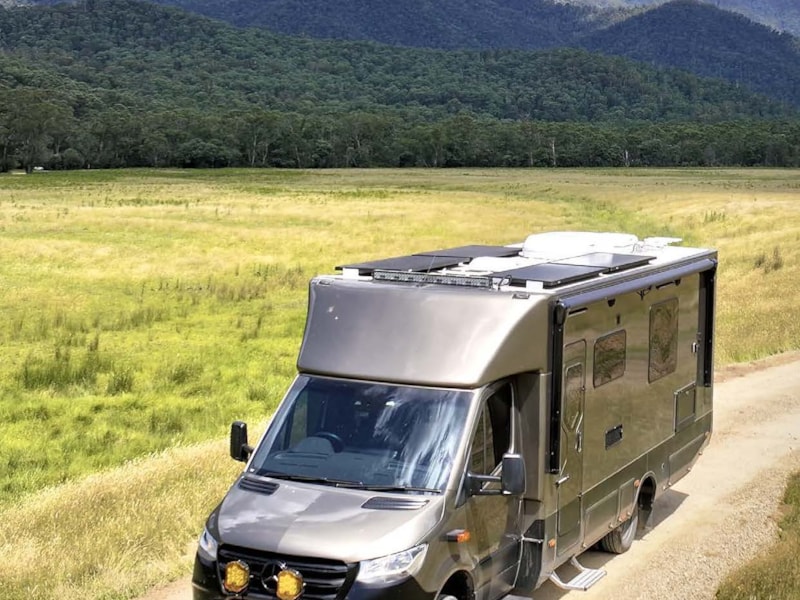
There’s something about going out in your RV that hits differently - not because you’re “roughing it,” but because you suddenly notice just how much you normally don’t notice.
And when you think about it, a digital detox feels a lot like that. Same brain. Same world. Just… fewer distractions in the way.
1. YOUR BRAIN FINALLY GETS A DAY OFF
The average person picks up their phone around 96 times a day (yes, that’s a real stat). No wonder your brain feels like 47 tabs are open at once.
When you unplug:
- Your thoughts slow down
- You can focus on one thing (revolutionary)
- You stop doing that thing where you forget why you picked up your phone.
The first thing you notice isn’t silence, it’s sound.
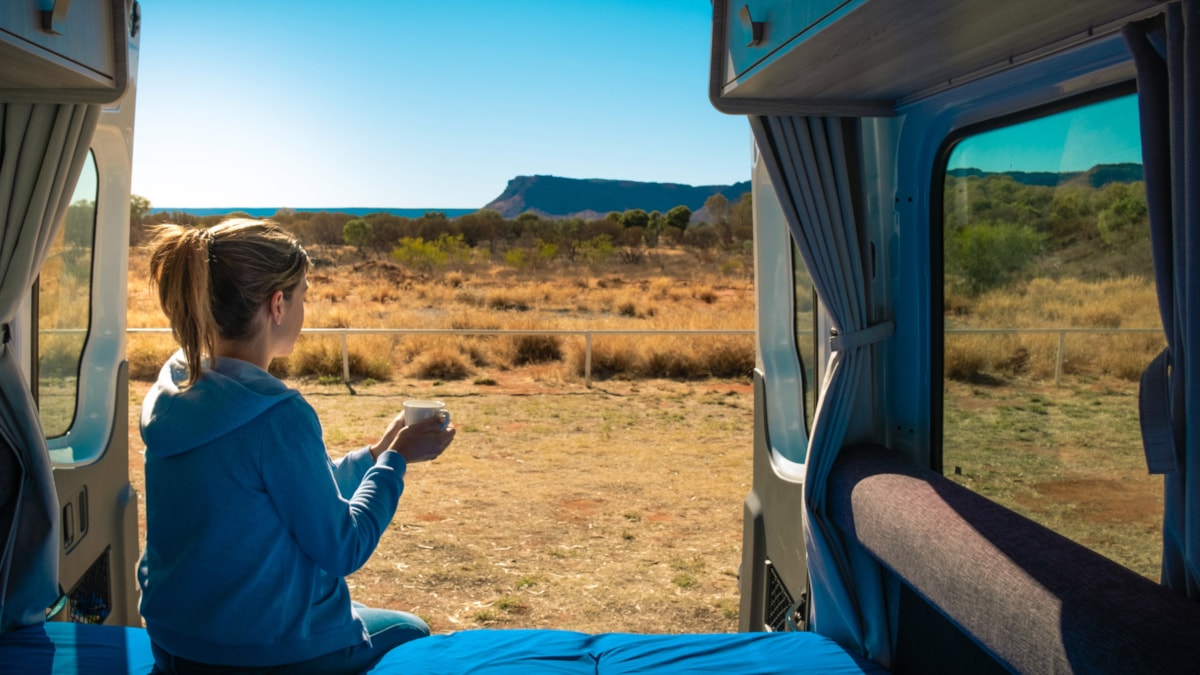
Birds are louder than you remember. Wind has texture. Even small things like leaves shifting or a kettle boiling feel strangely present.
At home, these sounds are usually drowned out by notifications, music or background scrolling. But when you’re RVing - or offline - your brain stops filtering them out. Suddenly, the world has layers again.
2. TIME STOPS FEELING LIKE IT’S SPEEDING AWAY
Without a screen telling you what’s next, time behaves differently. You’re not bouncing between messages, videos and updates. You’re just… in a moment. Making a coffee. Sitting outside. Watching nothing in particular.
It sounds simple, but it’s rare. We spend around 6–7+ hours a day on screens, which means most of our time is usually chopped into tiny, distracted segments.
RVing without relying on your phone - or a digital detox - stretches those moments back out again. A morning feels like a morning, not a checklist.
3. YOUR BRAIN STARTS NOTICING “SMALL THINGS”
This is the weirdly beautiful part.
You notice things like how the light changes during the day. How cold the air gets in the evening. How many tiny sounds exist that you normally ignore completely.
It’s not that these things weren’t always there. It’s that your attention was elsewhere.
The average person checks their phone about 96 times a day. That’s 96 tiny interruptions where your attention leaves the real world and goes somewhere else entirely.
When that stops happening, your brain starts filling the space with what’s actually in front of you.

4. YOU REALISE HOW MUCH YOU USUALLY “FILL” SILENCE
At home, silence rarely stays silent. It gets filled instantly - scrolling, watching, listening, replying.
But when you’re travelling in your RV (or offline), there’s no automatic filler. At first, that can feel a bit awkward. Your brain keeps reaching for something to do.
Then something shifts: you stop needing to fill every gap.
That’s when you start thinking more clearly, even if you’re not actively trying to “think.” Ideas come up naturally. Your mind stops bouncing and starts settling.
5. SLEEP HITS DIFFERENTLY
Without late-night scrolling or bright screens, sleep tends to feel more natural. Not forced. Not delayed. Just… inevitable.
Most people sleep with their phone within reach, and 71% of adults use screens in the hour before bed. So even “rest time” is usually still mentally switched on.
When you remove that, your body actually gets the message that the day is over. You fall asleep faster, wake up less foggy and stop doing that thing where you accidentally end up deep in your phone at 2am.
6. CONVERSATIONS FEEL MORE PRESENT
When you’re camping with other people, or just sitting without devices, conversations change. There’s less half-listening. Less checking. Less mental splitting.
You actually hear what people are saying because you’re not also halfway in a group chat or a comment section. And because nothing is competing for your attention, conversations tend to go deeper without trying.
It’s subtle - but you feel it immediately when it’s gone.
7. YOU DON’T MISS “ONLINE LIFE” AS MUCH AS YOU THOUGHT
Here’s the interesting part: after a while, the urge to check your phone fades. Not because you’ve forced it, but because your attention has something else to land on.
Research shows heavy phone use is linked to increased stress and lower wellbeing, often because of constant stimulation and comparison. When that stops, there’s a kind of emotional quiet that replaces it.
RV travel doesn’t change the world around you, it changes what you notice. And once you’ve experienced that shift, you realise something pretty simple:
Life isn’t usually louder online. You’re just more distracted from the parts that are already happening right in front of you.