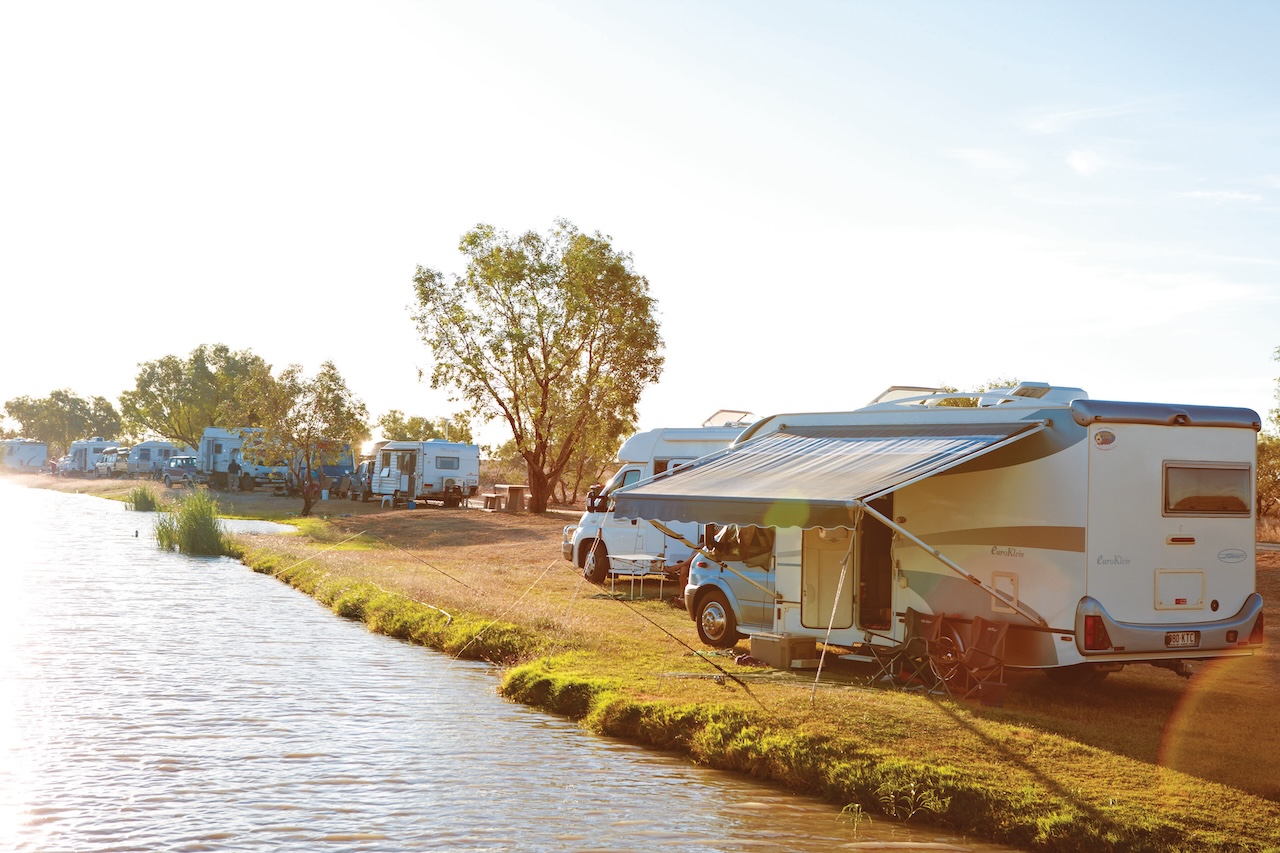
Slow down, stay longer and protect the joy in your journey.
People often think burnout only comes from work, but Beyond Blue describes burnout as emotional, physical and mental exhaustion caused by ongoing stress and demands.
Travelling full-time or long-term in a caravan comes with plenty of hidden demands like constant planning, driver fatigue, navigating unfamiliar places, financial pressure, social overload in parks and campgrounds and never fully setting into routine. Even enjoyable travel still asks your brain to stay “on” all the time. This prolonged stress can lead to irritability, poor sleep, exhaustion, trouble concentrating, and feeling disconnected from things you usually enjoy.
When burnout starts creeping in, many travellers respond by trying to “push through”. They keep driving. Keep sightseeing. Keep moving every second day because “we’ve come this far.” Usually, that makes it worse. The best way to avoid burnout while travelling is not to make the trip bigger, it’s to make it gentler.
Beyond Blue recommends noticing the signs early and making changes before things become overwhelming. If you need mental health support while travelling, there are practical resources and strategies that work even when you're weeks from home.

Stay Longer in Each Spot
This is probably the biggest burnout-prevention tip of all. Constantly moving creates a constant mental load: new roads, new camps, new setups and new decisions. Staying an extra few days somewhere gives your nervous system time to actually relax instead of operating in permanent travel mode. A good rule? If you arrive somewhere and immediately feel calmer, stay longer than planned.
Stop Trying to “Maximise” Every Day
Not every stop needs to become a full itinerary. Some of the best travel days are incredibly boring - think coffee, laundry, reading under the awning, an early night. It’s not wasted time, it’s recovery time. You do not need to see every attraction, drive to every lookout, join every happy hour or fill every afternoon with activities.
Build Routines into Caravan Life
One reason burnout sneaks up on travellers is because routines disappear. Without routine, your brain never really gets to switch onto autopilot. Lifeline Australia notes good sleep, movement, meaningful connection and small daily routines can help reduce long-term stress. Turns out your brain likes consistency almost as much as your caravan suspension does.
Simple habits help:
- Morning walk before driving days
- Set meal times
- One slow day after every travel day
- Regular sleep schedules where possible
- Having a “no big plans” day each week
Watch Your Social Battery
RV travel can become surprisingly social. And while camp kitchens, group happy hours and long chats are wonderful, constant social interaction can become draining - especially for introverts.
You’re allowed to skip communal dinners, stay in for the night, choose quieter camps and have days where you don’t talk to anyone except your travel partners. Rest isn’t only physical. Mental quiet matters too.
Pay Attention to the Early Warning Signs
Burnout rarely appears all at once. Usually, it starts with feeling flat or unmotivated, losing excitement for the trip, trouble sleeping, feeling emotionally reactive, and wanting to withdraw from everything.
Beyond Blue recommends noticing the signs early and making changes before things become overwhelming. That might mean slowing down, changing your route, booking into a caravan park for a reset, or simply taking a few days off from “doing”.
Support is available no matter where you are in Australia, even if you’re travelling.
Useful mental health services include: