No Two Laps Cost the Same, But These Expenses Are Universal
Dreaming of hitting the road for the Big Lap? You’re not alone. Every year, thousands of Aussies pack up the van, hitch the caravan and set off on the adventure of a lifetime, looping the country in what’s become known as the Big Lap.
But before you start daydreaming about roos at dawn and fish-and-chips by the beach, there’s the big question every traveller faces: what’s your budget?
The truth is, there’s no one-size-fits-all answer. Your spending depends on how you travel, what comforts you need and how many “must-do” experiences you want along the way.
But there are a few things every Big Lapper should plan for.
Fuel
No surprises here. Fuel will likely be the largest line item in your Big Lap budget. Aussie distances are vast and towing a caravan or driving a motorhome ramps up consumption fast.
Our advice is to plan your route in advance, keep an eye on fuel price apps and fill up when you can. That way, your dollars stretch further and you avoid painful surprises in the middle of nowhere.
RELATED ARTICLE: How to save on fuel on your Aussie road trip

Accommodation
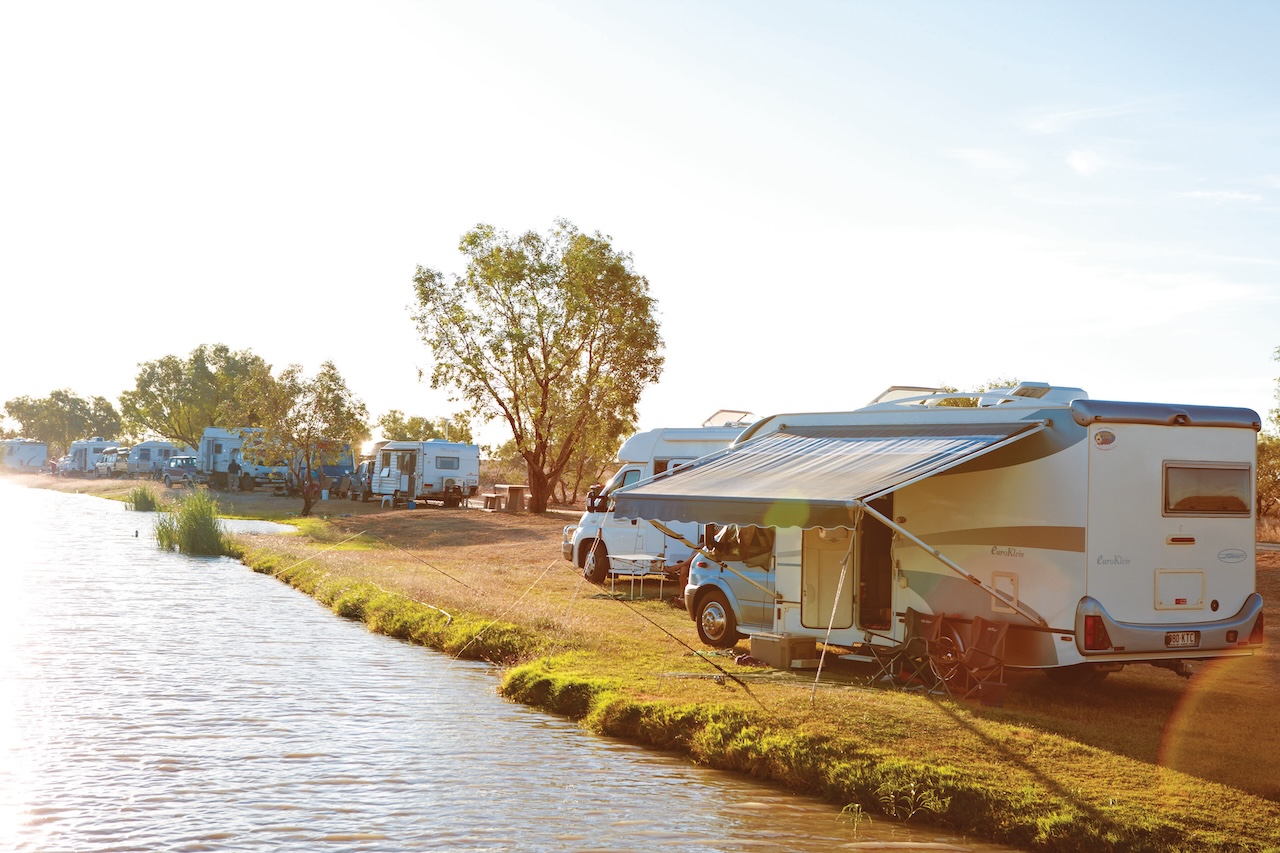
Part of the magic of the Big Lap is the freedom to stop where you like and free camping spots are a huge part of that. Finding bush camps or low‑cost sites with apps like CMCA Traveller can significantly reduce accommodation expenses.
That said, free camps usually lack power, showers and laundry so you might want to mix in paid caravan parks or the occasional cabin stay for comfort.
Food
Cooking your own meals is hands down one of the easiest ways to manage your budget. Weekly grocery bills can range widely depending on where you shop, but preparing meals at “home” rather than eating out every day definitely helps stretch your dollars.
At the same time, stopping in local cafés, bakeries or pubs is part of Aussie road‑tripping culture. Allocating a little “fun money” for those treats means you enjoy the journey, support local and eat well along the way.

Vehicle Maintenance, Repairs and Insurance
Breakdowns aren’t a matter of if, they’re a matter of when. Our best tip is to set aside an emergency fund before you leave. It’ll save a lot of stress when something inevitably goes wrong.
You’ll need to budget for:
- Servicing
- Tyres
- Unexpected repairs
Insurance is also one area where cutting corners can cost you more later. Vehicle, caravan and travel insurance can prevent a small problem from becoming a huge, expensive one.

Experiences
When people ask how much does it cost to travel around Australia, they often forget one thing: experiences. Decide early what matters most to you and prioritise those experiences.
This could include:
- Reef tours
- National park passes
- Guided adventures
- Cultural experiences
Also, don’t forget that some of Australia’s most beautiful spots come with entry or camping fees, especially in national parks.
Multi-park passes are a great way to save money if you’re planning extended stays in certain regions, and they give you the freedom to explore multiple parks without worrying about individual fees each time. Even small fees can add up over a long journey, so a little planning goes a long way.

Staying connected comes at a cost
For many travellers, staying connected on the road is essential, but it doesn’t always come cheap. Mobile data plans, signal boosters and satellite internet options like Starlink are increasingly common, particularly for those working remotely.
The key is to be realistic about how much connectivity you actually need and budget accordingly.

A “Fun Fund” for the Unexpected
Not every expense can be planned and honestly, that’s part of the fun of the Big Lap. You might stumble across a quirky festival, a hidden lookout or a local tour you didn’t even know existed.
Even a small stash of cash for spontaneous adventures goes a long way. It means you can say yes to that impromptu detour, that roadside food truck you just have to try, or a once-in-a-lifetime experience without guilt.
These are the moments that turn a trip from great to unforgettable.