Caravan Towing Tips for Regional Australia
Country driving isn't something to be afraid of. In fact, those long roads through regional Australia are responsible for some of the best moments you'll have with a caravan in tow.
They just deserve a little extra respect.
Road safety campaigns like the recent Rural Road Safety Month are a good reminder to brush up on the basics, but safe country driving matters every time you hitch up and head beyond the city limits.
1. The speed limit isn't a target
A sign might say 100km/h, but that doesn't necessarily mean that is the right speed for your setup. Remember, country roads can change quickly. A beautiful straight stretch can turn into a tight bend, narrow bridge, rough shoulder or patch of loose gravel before you know it.
Towing also means you need more room to stop, while uneven surfaces, wet roads and high winds can all affect how your caravan behaves. Slow down when conditions call for it and give yourself more space than you would when driving without a van.
Getting there half an hour later is a much better outcome than not getting there safely.

2. Get your weights right before you leave
You can have years of towing experience, but an incorrectly loaded caravan can still cause serious problems. Before setting off, know your vehicle's GVM, your caravan's ATM and your combination's GCM - and make sure you're within the relevant limits.
How you pack matters too. Heavy items should be kept low and centred around the caravan's wheel axles, with lighter items stored higher and distributed appropriately. Poor loading can contribute to snaking, swaying and loss of control.
In other words, "she'll fit" isn't a particularly good packing strategy.
3. Give yourself plenty of stopping room
A caravan isn't going to stop like your everyday run to the shops. Leave a bigger gap between yourself and the vehicle ahead, particularly when travelling at higher speeds or in poor conditions. That extra space gives you more time to react without having to brake suddenly.
The same goes for overtaking. You'll need considerably more room to safely pass and return to your lane when you're towing, so if you're not completely confident there's enough clear road ahead, wait. There'll be another opportunity.
4. Take unsealed roads seriously
A gravel road leading to a spectacular campsite can be part of the adventure, but it's also a place to change the way you drive.
Loose gravel, dirt and sand reduce traction, increase stopping distances and make vehicles more difficult to control. Add a caravan behind you and smooth, deliberate driving becomes even more important.
Slow down, increase the distance between you and other vehicles and keep your movements gentle. Be particularly careful around soft road edges, where dropping a wheel off the hard surface can cause the caravan to sway. Don’t forget yesterday's perfectly manageable dirt road can be a very different beast after a decent downpour.

5. Keep an eye out for the locals
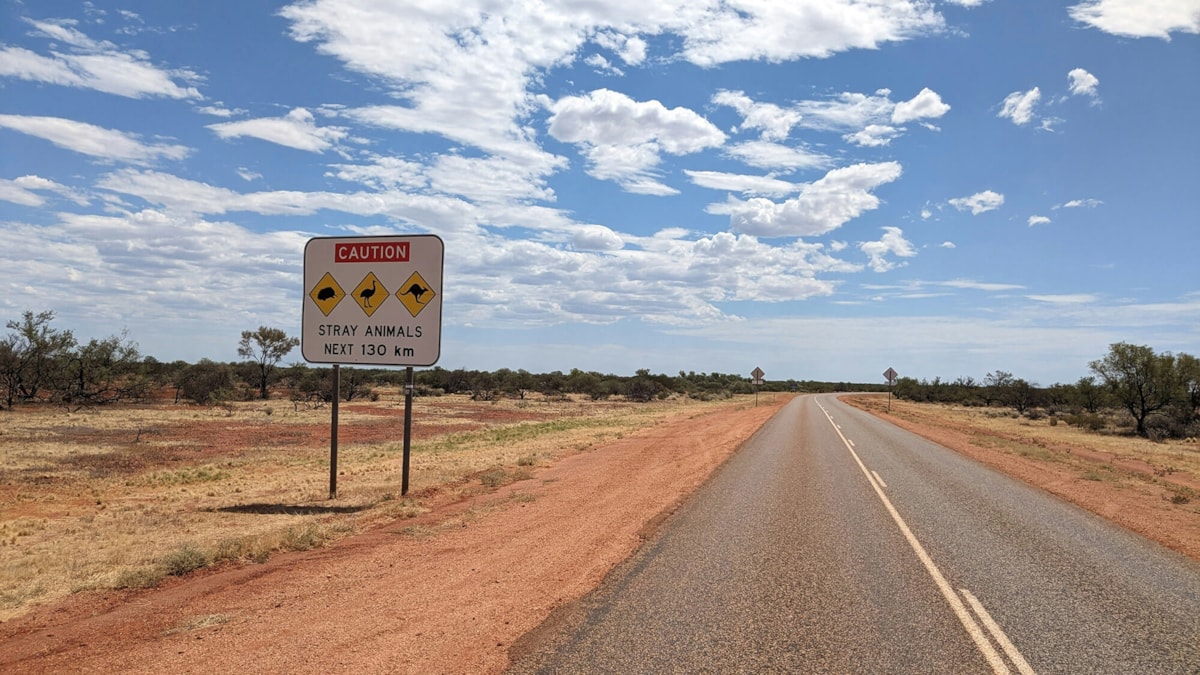
And by locals, we mean the furry, feathered and occasionally very large variety. Kangaroos, wombats, emus and wandering stock can appear on country roads with very little warning. Animals can also behave unpredictably, making dawn and dusk particularly important times to stay alert.
Where possible, avoid driving around sunrise and sunset. If you do need to be on the road, reduce your speed, watch the roadsides and be prepared for something to move into your path.
Most importantly, don't make a sudden swerve to avoid an animal. Losing control of a tow vehicle and caravan can turn one hazard into a much bigger one.
6. Don't underestimate fatigue
A quiet country highway can be deceptively tiring. Long, straight roads and hours behind the wheel can reduce concentration, and the warning signs aren't always dramatic. Yawning, sore eyes, boredom, restlessness, slower reactions or difficulty concentrating are all signs it's time to stop.
Plan regular breaks before you leave rather than waiting until you're already exhausted. Swap drivers if you can, and if you're tired, pull over somewhere safe and rest.
That bakery in the next town isn't just a pie stop. It's a road-safety strategy. At least, that's what we're calling it.

7. Plan for the gaps between towns
One of the joys of country travel is getting away from everything. The downside is that sometimes you really are away from everything.
Before leaving, check your fuel, tyres, lights, oil, coolant, windscreen wipers and other basics. Carry drinking water and a first-aid kit, know where your next fuel stops are and check the weather along your route.
Mobile reception can also disappear surprisingly quickly once you're away from regional centres. For more remote adventures, consider whether you need an alternative form of communication and let someone know your planned route and expected arrival time.
8. If the road is flooded, turn around
It doesn't matter how capable your tow vehicle is or how shallow the water looks.
Floodwater can hide damaged roads, washaways and other hazards, and conditions can change quickly. If you reach a flooded road, don't attempt to drive through it. Find another route or wait until the road has safely reopened.
No campsite is worth gambling your vehicle, caravan or safety for.
9. Give the van a once-over at every stop
Rest stops aren't only for coffee and stretching your legs.
Before you get back behind the wheel, spend a few minutes walking around your setup. Check your couplings and chains, tyres, lights and electrical connections. Make sure your awning is properly locked away, nothing has shifted or come loose and your mirrors are still giving you a clear view behind the caravan.
It's a two-minute habit that could spot a problem before it becomes a roadside one.