An Eyre Peninsula Road Trip at Your Own Pace
There are worse problems to have on a holiday than deciding which beach to visit next.
On South Australia’s Eyre Peninsula, that decision can take a while. There’s the sheltered bay you spotted yesterday, the stretch of white sand someone at the campground recommended and another coastal lookout that apparently you “really shouldn’t miss”.
Then there’s lunch. In a region famous for seafood, lunch deserves more than a little consideration.
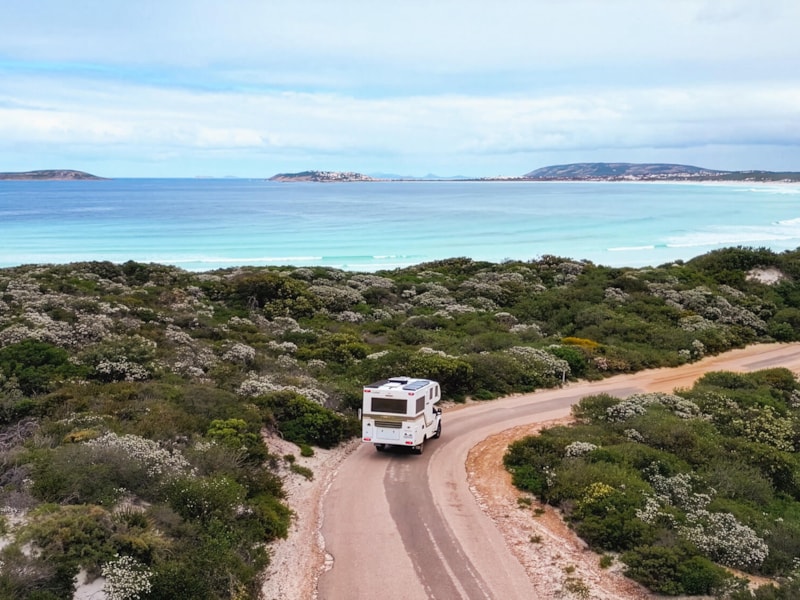
Stretching between Spencer Gulf and the Great Australian Bight, the Eyre Peninsula offers plenty to keep a road trip interesting: fishing towns, national parks, dramatic coastline and wildlife encounters that make a morning in a wetsuit seem like a very good idea.
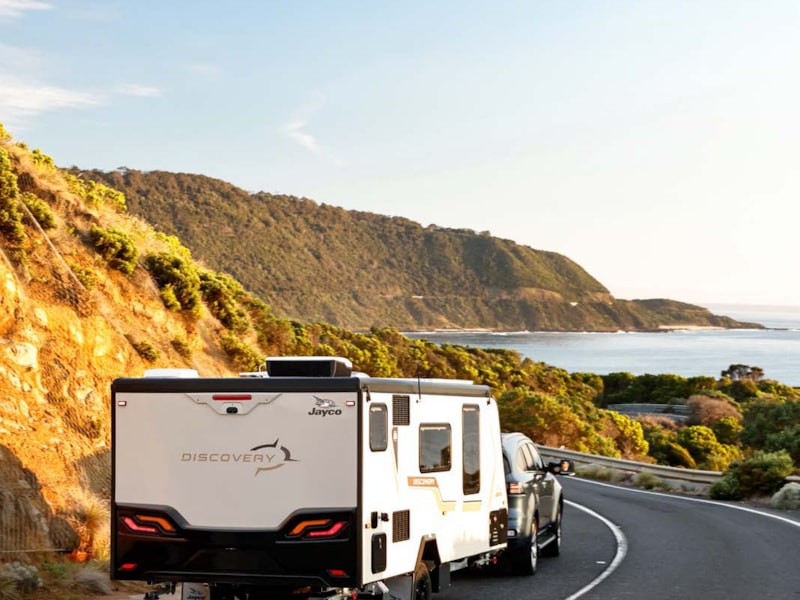
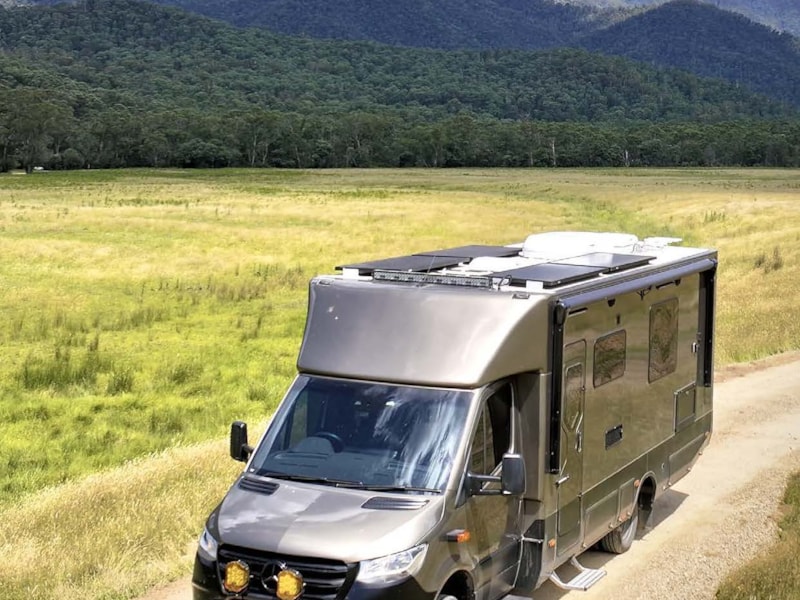
For RV travellers, there’s also a useful mix of caravan parks, national park campgrounds and free camping. You can spend a few nights beside the coast, catch up on washing in town and head inland without needing to blow the holiday budget.
Getting to the Eyre Peninsula from Adelaide
From Adelaide, you can break the drive into two comfortable days rather than arrive in Port Lincoln feeling like you’ve completed a transport assignment.
Follow the main highway north to Port Augusta, then take the Lincoln Highway towards Whyalla and Cowell. Choose your overnight stop according to how much driving you fancy — and how often someone requests coffee.
On day two, continue south through the eastern coastal towns towards Tumby Bay and Port Lincoln. The full Adelaide–Port Lincoln journey is approximately 650 kilometres, or around seven hours of driving before towing allowances, breaks and sightseeing. Splitting it over two days leaves room to enjoy the places along the way.
Port Lincoln makes a handy first base. Spend a few nights getting acquainted with the southern peninsula, then work your way around to Coffin Bay and north along the west coast towards Elliston, Streaky Bay, Smoky Bay and Ceduna.
There’s no prize for arriving first. There is, however, considerable satisfaction in arriving before you’re too tired to put the chairs out.
Pick a town, put down the legs
You don’t need to pack up every morning to see the peninsula. Choose a few coastal bases and explore from there. Your reversing assistant will appreciate the occasional day off.
Port Lincoln: The regional centre is a useful place to stock up, book a fishing or wildlife outing and enjoy the waterfront. Caravan parks and town services make it an easy starting point.
Coffin Bay: Come for the oysters, stay for the bay views and nearby national park. A good base for combining leisurely lunches with coastal exploring.
Elliston: Clifftop scenery, surf beaches and a quieter pace make this a worthwhile stop between the southern peninsula and Streaky Bay.
Sceale Bay and Streaky Bay: Explore the west-coast beaches and fishing spots, with Streaky Bay offering a convenient town base. Check individual camping facilities around smaller Sceale Bay before arriving.
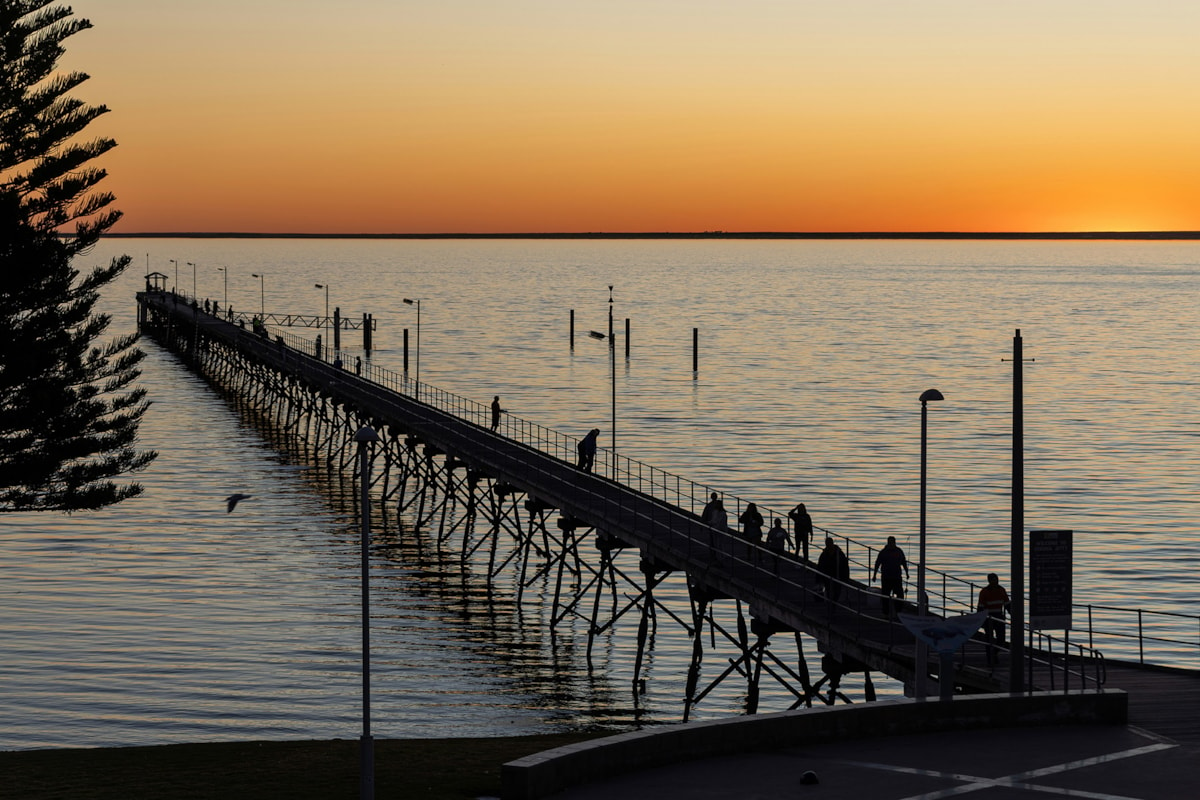
Smoky Bay: Oyster farming, waterfront wandering and another opportunity to sit beside the water looking extremely pleased with your holiday choices. Its beachfront caravan park offers powered sites with water and a camp kitchen.
Ceduna: The western gateway is a practical place to restock before continuing towards the Nullarbor. Fill the tank and plan your next fuel stops, but it isn’t the last fuel available: stops farther west include Penong and Nundroo.
Port Lincoln: stock up and slow down
Port Lincoln makes a practical starting point for exploring the southern peninsula.
Stock up on groceries, top up supplies and spend some time along the foreshore. There are places to eat, waterfront views to enjoy and enough happening to justify staying rather than treating town as a very scenic supermarket stop.
For adventurous travellers, guided wildlife outings around the region include sea lion swims and great white shark cage-diving.
Your travelling party may have different opinions about the second option. Fortunately, a waterfront stroll and a seafood lunch require considerably less negotiation.
Coffin Bay
About half an hour from Port Lincoln, Coffin Bay has built a reputation on oysters. You can order a plate and enjoy them from the comfort of a chair. Or pull on waterproof waders and head into the shallows on an oyster farm tour.
The latter lets you learn how the oysters are grown before tasting them close to the source. It also provides the rare opportunity to combine lunch with trousers that reach almost to your armpits.
Back on land, explore part of the Oyster Walk, wander around town or find somewhere beside the bay to sit for a while.
If you’re not a fan of seafood, don’t fret. There’s no requirement to like oysters to enjoy Coffin Bay. the water views are available to everyone.

Coffin Bay National Park: worth unpacking for
Nearby Coffin Bay National Park brings together enormous dunes, white beaches, sheltered bays and windswept cliffs. This is a good place to leave the van at camp and make a day of exploring.
Point Avoid and Golden Island lookout can be reached by sealed road, delivering impressive coastal views without needing to tackle remote tracks. Around Yangie Bay, walking trails and sheltered water offer opportunities for a stroll or paddle when conditions suit.
Pack lunch and take your time. Eating a sandwich with a view like this is a perfectly respectable holiday activity.
The northern parts of the park require a high-clearance 4WD. Tracks can involve soft sand, rocky sections and tidal water, so check current conditions and access advice before heading farther in.
Baird Bay: swimming with sea lions (who swim better than you)
At Baird Bay, guided tours offer the chance to swim with wild Australian sea lions and bottlenose dolphins.
Sea lions make moving underwater look effortless. You, meanwhile, may still be working out whether your snorkel is sitting properly.
Watching them glide and turn nearby is a memorable experience, and a good reason to get out of the camp chair for a morning.
These are wild animals, so encounters vary. Follow your guide’s instructions, give them space and let them choose whether to approach.
Book ahead and allow flexibility for weather. Marine wildlife has yet to adopt a booking calendar.

Caves, cliffs and a very misleading haystack
The west coast has plenty of reasons to interrupt a driving day. At Talia Caves, wave action has carved a cavern known as The Woolshed into the cliffs. Look for its honeycombed ceiling and dark crevices. Nearby, The Tub is a large crater connected to the ocean by a tunnel.
Despite the names, neither will help with your laundry. Wear sturdy shoes, follow signs and enjoy the scenery from safe positions away from exposed edges and dangerous surf.

Farther along, near Calca, Murphy’s Haystacks offers something entirely different: rounded, weathered rock formations rising from farmland. The name apparently came from a traveller who mistook them for haystacks on the Murphy family’s property. A confident identification that has been causing confusion ever since.
Wander among the formations and bring the camera, particularly if you arrive when the late-afternoon light warms the rocks. The site is privately maintained, with picnic facilities and toilets; contribute towards its upkeep as requested.

Where to stay on the Eyre Peninsula
There’s plenty of coastline to explore, so choose a few bases rather than trying to see the whole peninsula from one campground.
Port Lincoln Tourist Park
Port Lincoln Tourist Park: Port Lincoln Tourist Park offers a waterfront base with powered and unpowered sites, including options for larger rigs. Facilities include a camp kitchen, laundry and dump point, making it a useful place to restock and reset before continuing your trip. Provide your full vehicle dimensions when booking so the park can allocate a suitable site.
Yangie Bay Campground, Coffin Bay National Park
Yangie Bay Campground, Coffin Bay National Park: Yangie Bay Campground is accessible by 2WD and suitable for caravans, with toilets and nearby walking trails. Bring your own water and book a campsite suited to your rig. Camping and vehicle entry fees apply, and pet dogs are not permitted. This is a simpler camping experience, so arrive stocked and ready to enjoy the surroundings rather than expecting caravan park facilities.
Discovery Parks – Streaky Bay Foreshore
Discovery Parks – Streaky Bay Foreshore: Discovery Parks – Streaky Bay Foreshore has powered sites in several sizes and layouts, including some with beach frontage.
Kimba Recreation Reserve (free camp)
Kimba Recreation Reserve: For a free inland stop, Kimba Recreation Reserve offers unpowered camping for up to five days, with longer stays by arrangement with council. Facilities include toilets, coin-operated hot showers, a camp kitchen, potable water and a dump point. It is pet-friendly, and sites are available on a first-come basis without bookings. It’s a handy stop when travelling through the peninsula’s inland areas. Take a wander into town, buy supplies or enjoy a meal while you’re there.
A few things to check before you go
Distances can add up, particularly once you start following every tempting turn towards the coast. Keep fuel and drinking water topped up, download maps before leaving reception and check access to individual campgrounds.
Book popular coastal sites ahead during busy holiday periods. Confirm that your chosen site fits your whole rig, rather than just the caravan body.
Check national park alerts, fire restrictions and local beach advice before heading out. Exposed cliffs, surf and changing weather deserve care.
If you’re travelling with a dog, confirm campground conditions and plan suitable care for national park outings. Pet dogs cannot enter Coffin Bay National Park.
There is a fruit fly quarantine checkpoint at Ceduna (traveling east) and Port Augusta (traveling west). Do not cross with fresh fruit, vegetables, honey, or plant matter.
And secure the awning when the wind gets up. Chasing camping equipment is exercise, but probably not the holiday activity you had in mind.