Welcoming Stops for Your WA Road Trip
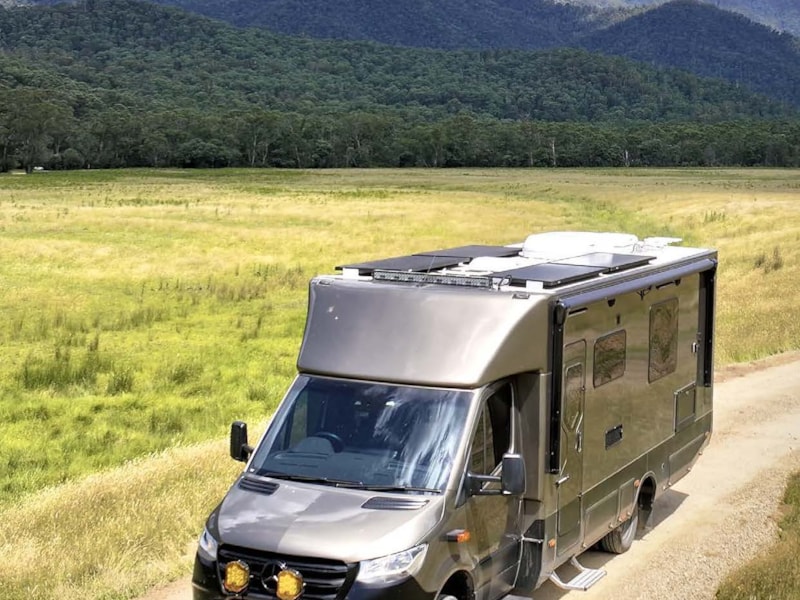
Some towns make you feel welcome before you have even switched off the engine. There is room to park, somewhere to stay, useful facilities close by and, most importantly, plenty of reasons to get out and explore.
That is the real appeal of an RV Friendly Town. Travellers enjoy an easier, more comfortable stop, while local cafés, shops, attractions and service providers benefit from visitors spending time in the community.
Western Australia has plenty of these welcoming stops, from historic Wheatbelt communities to famous gold-mining towns and remote outback centres. Here are 10 RV Friendly Towns worth adding to your map.
Lake Grace: Salt lakes, spring colour and a very affordable stay
Around 320 kilometres south-east of Perth, Lake Grace is the kind of town that quickly turns an overnight stop into a much longer stay.
Surrounded by broadacre farmland and an enormous salt lake system, the Wheatbelt community serves up wide horizons, quirky local history and some spectacular spring colour. It also has the shops, health services and everyday essentials that are particularly welcome when you have been on the road for a while.
Start at the Lake Grace Visitor Centre, housed in the restored Stationmaster’s House on Stubbs Street. Along with maps and local advice, it is the place to ask what is flowering, which roads are in good condition and what events are happening during your visit.
The lake itself is difficult to miss, but it is worth driving approximately 12 kilometres west of town to the lookout for a better appreciation of its scale. The shallow salt lake stretches for more than 50 kilometres, creating one of those wonderfully vast WA views that no phone camera can quite capture.
History buffs should allow time for the Lake Grace Australian Inland Mission Hospital Museum. Established in 1926 through the work of Reverend John Flynn and the local community, the hospital once served an area of approximately 16,000 square kilometres. Its restored wards, kitchen, laundry and collection of medical equipment offer a fascinating look at the realities of rural healthcare in the early 20th century. Learn more about the museum.
Then there are the wildflowers. From August and throughout spring, the surrounding reserves, roadsides and walking trails can erupt with colour. Rifle Range Hill and the Kwongan Heathland Walk are good places to begin, although flowering times vary with seasonal conditions. Admire and photograph as much as you like, but leave the flowers where they are - some local species are rare or endangered.
Lake Grace is also refreshingly easy on the travel budget. At the time of writing, the Lake Grace Caravan Park offered unpowered sites for self-contained vehicles for $5 per night, while sites with access to full amenities were $28 per night. Potable water is available for a fee due to rural water restrictions, and a dump point is located at the sporting precinct on Stubbs Street. Check current prices and conditions with the visitor centre before arriving.
Time your visit well and you may also encounter bush races, art exhibitions, tastings or another local celebration. That is the joy of staying rather than simply passing through: sooner or later, something interesting tends to be happening.

Ravensthorpe: A wildflower wonderland
If your RV seems to steer itself towards wildflowers every spring, Ravensthorpe belongs on your itinerary.
The town sits within the Fitzgerald Biosphere Coast, an area famous for its extraordinary plant diversity. Wildflowers can be found throughout the year, but spring is when the region really shows off. The annual Ravensthorpe Wildflower Show and Festival brings hundreds of flowering species together, accompanied by walks, talks, tours and community events.
Ravensthorpe is not relying on nature to provide all the colour, either. Its towering painted grain silos form part of the PUBLIC Silo Trail, while the Farm Gate Art Trail features sculptures made largely from scrap metal and dotted across the surrounding countryside.
Stop at the Ravensthorpe Visitor Centre and Museum before exploring the nearby ranges, heritage trails and scenic drives. If you have extra time, continue south to Hopetoun and Fitzgerald River National Park for beaches, walking trails and even more botanical bragging rights.

Bruce Rock: Small town, big rocks
You would feel slightly cheated if a place called Bruce Rock did not have an impressive rock nearby. Thankfully, the town delivers.
Bruce’s Rock is one of several granite formations in the area, with Kokerbin Rock another impressive addition to a wider Wheatbelt itinerary. The town makes a handy base for exploring the Granite Way, Golden Pipeline and the PUBLIC Silo Trail.
Back in town, take a stroll through the main street, gardens, amphitheatre and sculpture park. The local museum adds pioneer history to the mix, with displays housed in a restored bank alongside a reconstructed one-room school, settler’s hut and blacksmith’s shop.
It is a relaxed, friendly place where you can stretch your legs, learn something new and perhaps enjoy a picnic before deciding that, actually, you might stay the night.
Kalgoorlie-Boulder: Go big or go home
Few Australian destinations do drama quite like Kalgoorlie-Boulder.
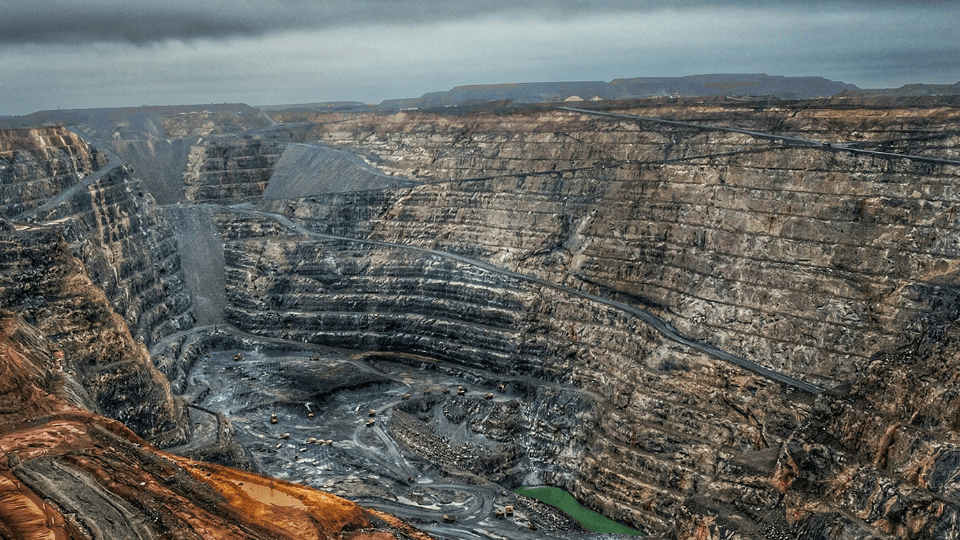
The Super Pit is the obvious showstopper - an enormous open-cut gold mine best viewed from the lookout or, if you really want to appreciate its proportions, from the air. Then head into town and admire the handsome heritage buildings lining Hannan Street.
The Museum of the Goldfields, historic Boulder precinct and mining tours reveal how gold shaped the city, while Hammond Park provides a surprisingly green place to slow down among lawns, ponds, birds and native animals.
Kalgoorlie-Boulder is also an excellent place to restock, book a proper meal and take care of those practical jobs that build up during a long road trip. Give it at least a couple of days; this is no quick fuel-and-go destination.
Coolgardie: Where the gold rush story began
Kalgoorlie-Boulder may be the Goldfields headliner, but Coolgardie deserves much more than a wave through the windscreen.
Gold was discovered here in 1892, setting off a rush that transformed Western Australia. Today, the town’s grand old buildings and broad streets offer a glimpse of its boom-time importance.
Make the former Warden’s Court House your first stop. The striking 1898 building now houses the visitor centre and Goldfields Exhibition Museum, where displays delve into the difficult, ambitious and occasionally eccentric lives of the region’s early prospectors and pioneers.
Continue your history lesson at Warden Finnerty’s Residence, Ben Prior’s Park and the local cemeteries, or seek out the unusual Waghorn Bottle Collection.
Meekatharra: Red dirt and big stories
Meekatharra is one of those wonderfully remote towns that makes you realise just how far you have travelled.
Its gold-mining past can be explored on the Meeka Town Heritage Walk, while the Creek Trail leads through an area once central to the town’s mining activity. The three-kilometre Meeka Rangelands Discovery Trail combines Aboriginal history, natural features and local heritage in an accessible introduction to the surrounding landscape.
For a picnic with considerably more atmosphere than your average roadside table, drive approximately five kilometres out of town to Peace Gorge. The granite formations and red-earth scenery are especially striking in the softer light of late afternoon.

Norseman: The Gateway to the Nullarbor
For many travellers, Norseman marks the beginning or end of a Nullarbor crossing. Either way, it is worth catching your breath before charging onwards.
According to local legend, the town was named after a horse that uncovered a gold-bearing rock while pawing at the ground. Today, corrugated-iron camel sculptures pay tribute to the camel trains that once carried freight and mail through the region.
Visit the local historical collection to see a piece of Skylab, stretch your legs on the Beacon Hill walking trail and take in the panoramic views over the town and surrounding bush. If you are continuing east, Norseman is also the western gateway to the Nullarbor Links - the famously long golf course spread across two states.

Port Hedland: Salt, ships and sea turtles
Port Hedland gives travellers a front-row seat to the sheer scale of the Pilbara.
Its harbour is among the busiest in the world, with enormous ore carriers moving through the water while equally impressive salt piles rise nearby. Harbour and industry tours help put the whole operation into perspective.
But there is a softer side to this hardworking town. Port Hedland’s beaches and mangroves support plenty of wildlife, and from October to March flatback turtles nest and hatch along the coastline. Visitors should follow local guidance carefully and contact Care for Hedland for information about responsible turtle viewing and monitoring activities.
Add local art, heritage trails and brilliant Pilbara sunsets, and Port Hedland becomes far more than a convenient place to refuel. It is also a useful gateway for travellers continuing towards Karijini and Millstream Chichester national parks.

Port Hedland
Three Springs: Heritage among the wildflowers
Three Springs is a quiet northern Wheatbelt town with plenty to reward curious travellers.
Follow the heritage trail through town, visit the state heritage-listed Duffy’s Store and learn how the community took its name from three natural springs once used by early settlers and drovers.
Beyond town, local highlights include the Yarra Yarra Lakes, the historic Arrino townsite and Dookanooka Nature Reserve. Wildflower enthusiasts should keep an eye out for the rare wreath flower and the bright pink blossoms of the rose mallee. As always, check local flowering reports before setting out - wildflowers operate to their own timetable. Explore the Three Springs district.

York: Heritage with a side of country charm
Just over an hour from Perth, York proves you do not have to travel deep into the outback to enjoy a memorable RV Friendly Town.
WA’s oldest inland town is packed with colonial and Federation architecture, much of it clustered around Avon Terrace. Wander past the grand York Town Hall, browse the shops and galleries, investigate the town’s motoring history or settle in for coffee somewhere with a very photogenic verandah.
Down by the Avon River, parklands, picnic facilities and the suspension bridge make it easy to slow the pace. Head up Wongborel/Mount Brown for sweeping views, particularly when the surrounding farmland is green or the canola fields are in bloom.
York makes an excellent first stop after leaving Perth, a final stop before returning home or, frankly, an excuse for a country weekend all on its own.
Follow the towns that welcome RV travellers
CMCA members can use the CMCA Traveller app to find RV Friendly Towns and more than 200,000 RV-related points of interest, as well as plan routes and access voice-guided navigation. The CMCA RV Friendly map is another handy tool when planning the next stretch of your journey.
So, the next time you are mapping a Western Australian adventure, look beyond the most direct route. Follow the towns rolling out the welcome mat, stay an extra night and see what is waiting beyond the highway.
You may arrive looking for a dump point and leave with a new favourite town.