A Cape York road trip, from Cooktown to the Tip
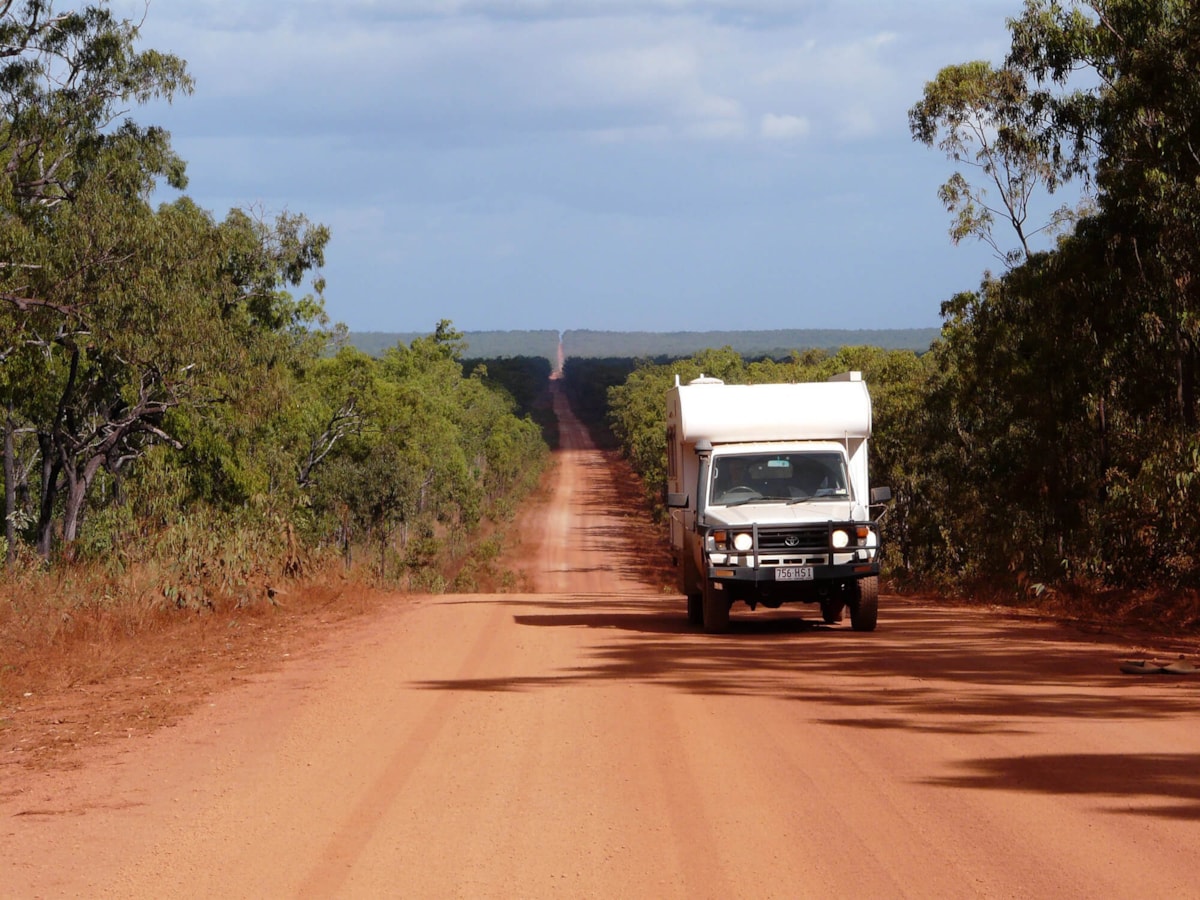
Cape York has a funny way of changing your definition of a bad road. A few corrugations? Barely worth mentioning. A cloud of dust swallowing the vehicle ahead? Completely normal. A creek crossing that requires everyone to get out and stare thoughtfully at the water? Just another day on the Cape.
This is not an easy Sunday drive, nor is it a destination for rushing. Cape York is a proper expedition filled with wild beaches, tropical waterfalls, remote communities, sprawling cattle stations and some of the most spectacular camping spots in northern Queensland.
The famous sign at Pajinka may be the goal, but getting there is where most of the fun happens.
So, can your RV handle Cape York?
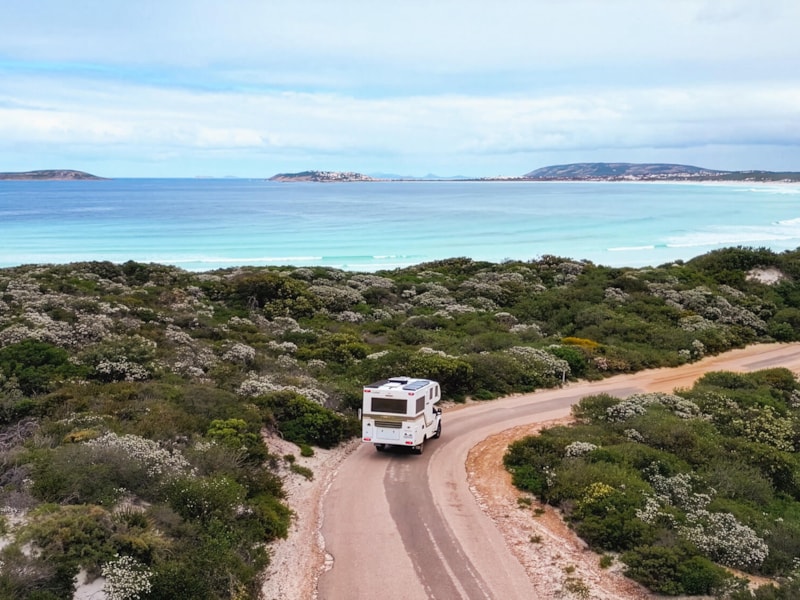
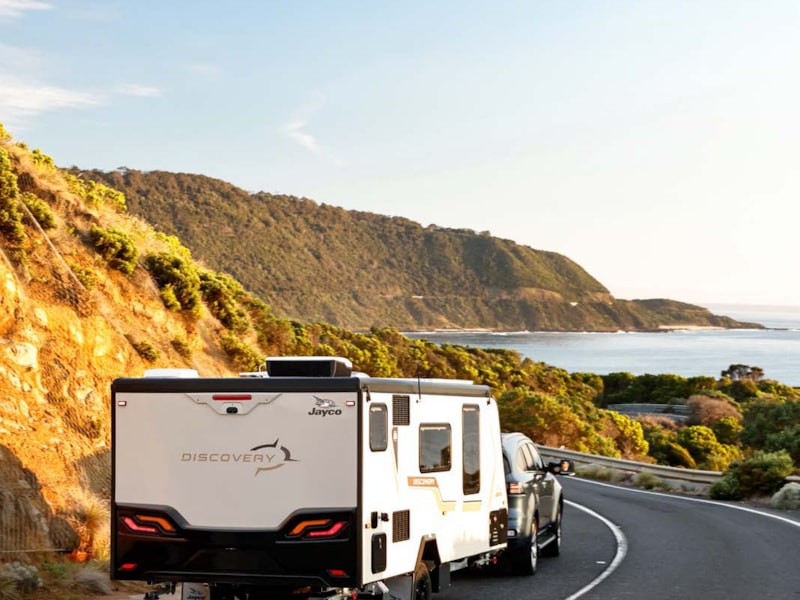
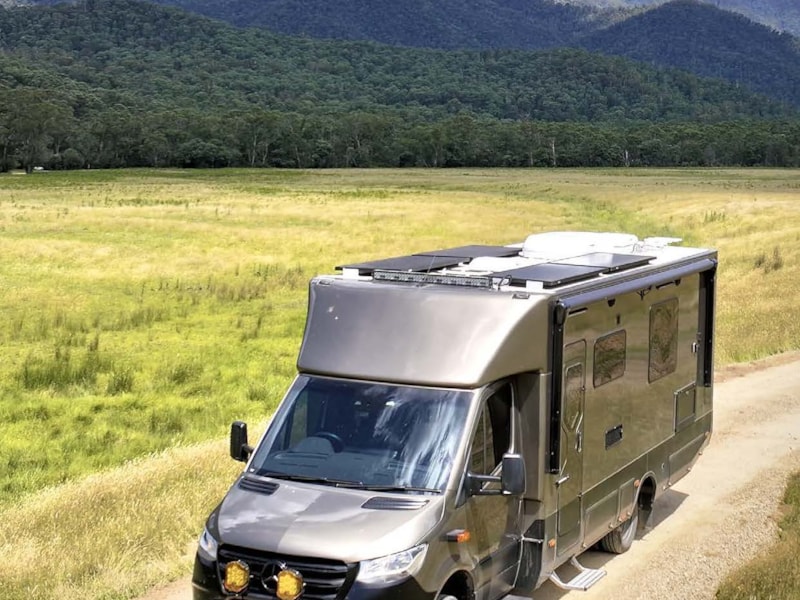
That depends entirely on your RV and where you plan to take it. A high-clearance 4WD and properly equipped off-road camper trailer or caravan can travel much of Cape York during the dry season. However, corrugations, potholes, dust and changing road conditions will test every bolt, fitting and cupboard latch you own.
The main route north avoids the most difficult obstacles, but it is still remote travel. The Old Telegraph Track is a separate challenge involving steep creek crossings, deep washouts and technical four-wheel driving. Tackling it by RV is strongly discouraged or impossible on the main, rugged parts of the track.
You do not need to attempt Gunshot Creek to earn your Cape York bragging rights. Arriving with the vehicle intact is also quite an achievement.
Begin with a little history
Cooktown makes a natural starting point for the journey north. The town sits beside the Endeavour River, where Lieutenant James Cook and his crew spent almost seven weeks repairing the Endeavour after it struck the Great Barrier Reef in 1770.
Today, Cooktown combines its colonial history with strong Indigenous culture, waterfront walks, galleries and views from Grassy Hill. It is also your opportunity to buy supplies, check the vehicle and enjoy one last stretch of sealed road before things become considerably dustier.
Nearby, the mysterious granite formations of Black Mountain National Park rise beside the highway. Known as Kalkajaka, the mountain is an important cultural place for the Eastern Kuku Yalanji people.
Where the red dirt meets the reef
One of Cape York’s best surprises is how quickly the landscape changes.
You can spend the morning bumping along a dusty track and the afternoon looking across the bright blue waters of the Great Barrier Reef. The reef runs beside Cape York’s eastern coastline, bringing coral, islands, incredible marine life and some seriously good fishing into the road-trip mix.
Cooktown is one of the easiest places to organise a reef trip, while more remote coastal communities offer fishing and boating experiences connected to both land and Sea Country.
After days of corrugations and red dust, seeing the Great Barrier Reef appear at the edge of the Cape feels like finding a completely different adventure hiding alongside the first one.

Take the wild route through Rinyirru
If conditions allow, detour through Rinyirru (Lakefield) National Park (CYPAL).
One of Queensland’s largest national parks, Rinyirru protects sweeping grasslands, river systems, wetlands and billabongs packed with birdlife. It feels gloriously remote, with campsites scattered beside rivers and lagoons across the park.
Fishing is a major drawcard, but crocodiles are very much part of the landscape. Stay well back from the water, follow warning signs and never assume a swimming spot is safe.
Roads through the park are unsealed and can become impassable during the wet season. Campers must be self-sufficient, and sites need to be booked in advance.
Yes, the waterfalls really look like that
Fruit Bat Falls, Eliot Falls and Twin Falls provide a dramatic change from the Cape’s red dirt and dry savannah. Clear freshwater runs across smooth rock shelves and through pockets of tropical greenery, creating some of the region’s most photographed swimming holes.
They are found within the Jardine River protected area, and access conditions can change. Check Queensland Parks alerts before travelling, follow all signs and never swim in an unmarked creek or river. Cape York is crocodile country, and “it looked safe” is not a particularly strong wildlife strategy.
Nearby national park camping allows visitors to slow down and enjoy the area, but permits must be organised before arrival.
 Cape York is crocodile country, so stay safe. © Unsplash
Crossing the Jardine
The Jardine River once required travellers to attempt a notoriously difficult water crossing. These days, a vehicle ferry provides a much more civilised route across.
Ferry operations, prices and road access can change between seasons, so check current information before leaving. This is not the ideal place to discover that something important has closed early.

The photo everyone came for
Pajinka is the northernmost point of the Australian mainland and the symbolic finish line for the journey.
From the parking area, a rocky walking track leads towards the familiar sign overlooking Torres Strait. The walk is easier around low tide but still calls for sensible footwear, drinking water and a willingness to scramble across uneven ground.
When you arrive, take the photo. Take several. After driving all that way, you have earned the right to become briefly unbearable about it.
Just remember that Pajinka is on Traditional Country and access crosses privately managed land. Respect signs, restrictions and culturally significant areas, and check local conditions before visiting.
Stay for the beaches
The Tip may get top billing, but the surrounding coastline is a very good reason to hang around. Punsand Bay places you within easy reach of Pajinka and offers beachfront camping, meals and tours. It is the sort of place where travellers arrive for two nights and immediately begin discussing whether they could stretch it to four.
Loyalty Beach and Seisia are also popular bases, with views across the Torres Strait and easy access to Bamaga’s shops and services. From Seisia, visitors can join fishing charters or take a passenger ferry to Thursday Island.
A trip to Thursday Island - known as Waiben - adds another layer to the Cape York experience. Guided tours explore Torres Strait Islander culture, pearling history and important military sites, while giving you a chance to leave the driver’s seat behind for a day.
Where to park the RV
Cape York offers a mix of private campgrounds, station stays, roadhouses and remote national park sites.
Cooktown: The town has several caravan parks and campgrounds, making it a convenient place to prepare for the journey north.
Rinyirru National Park: Remote camping areas are spread throughout the park beside rivers, lagoons and wetlands. Facilities are limited and sites need to be booked in advance.
Bramwell Station Tourist Park: A classic Cape York stop with campsites, meals and entertainment during the main travel season.
Weipa: Caravan parks around town provide access to shops, fuel, tours and mechanical services. After days on the road, the practical attractions can be every bit as exciting as the scenic ones.
Punsand Bay: Beachfront camping near Pajinka, with facilities, food and tour options.
Loyalty Beach and Seisia: Both make convenient bases for exploring the Northern Peninsula Area and taking trips into the Torres Strait.
Free camping opportunities are limited and travellers must not assume that unfenced land is available for overnight stays. Much of the peninsula is Aboriginal-owned, privately managed or protected. Always check access requirements and obtain permission where necessary.
Know before you cover everything in red dust
The dry season, generally between May and October, is the usual time for a Cape York journey. Roads may remain closed after the wet season, while unseasonal rain can quickly change conditions.
Check Queensland Traffic, council updates and park alerts regularly. Local advice from roadhouses, rangers and communities is invaluable.
Carry extra fuel and drinking water, recovery gear, spare tyres, basic parts and a suitable communication device. Mobile coverage is unreliable across large sections of the peninsula.
Book national park campsites before arrival and confirm that private campgrounds can accommodate the size of your setup. Pets are not permitted in national parks, although some privately operated campgrounds may accept them.
Most importantly, leave room in the itinerary. Cape York does not reward tight schedules, and kilometres that appear manageable on a map can take much longer than expected.