Walks, sunsets and camping near Uluru
Let’s clear something up: Uluru is not a quick roadside attraction.
You do not drive for days through the Australian outback, pull over for a photo, nod approvingly at the rock and continue on your way. Well, you could - but you would be missing most of what makes this part of the country so extraordinary.
Uluru-Kata Tjuta National Park deserves several days, a good pair of walking shoes and at least one sunset spent doing absolutely nothing except watching the colours change.
For RV travellers, it also delivers one of the great Australian road trips: endless horizons, red dirt, star-filled nights and the occasional false alarm when Mount Conner appears in the distance and somebody mistakes it for Uluṟu.
First, meet the real Uluru
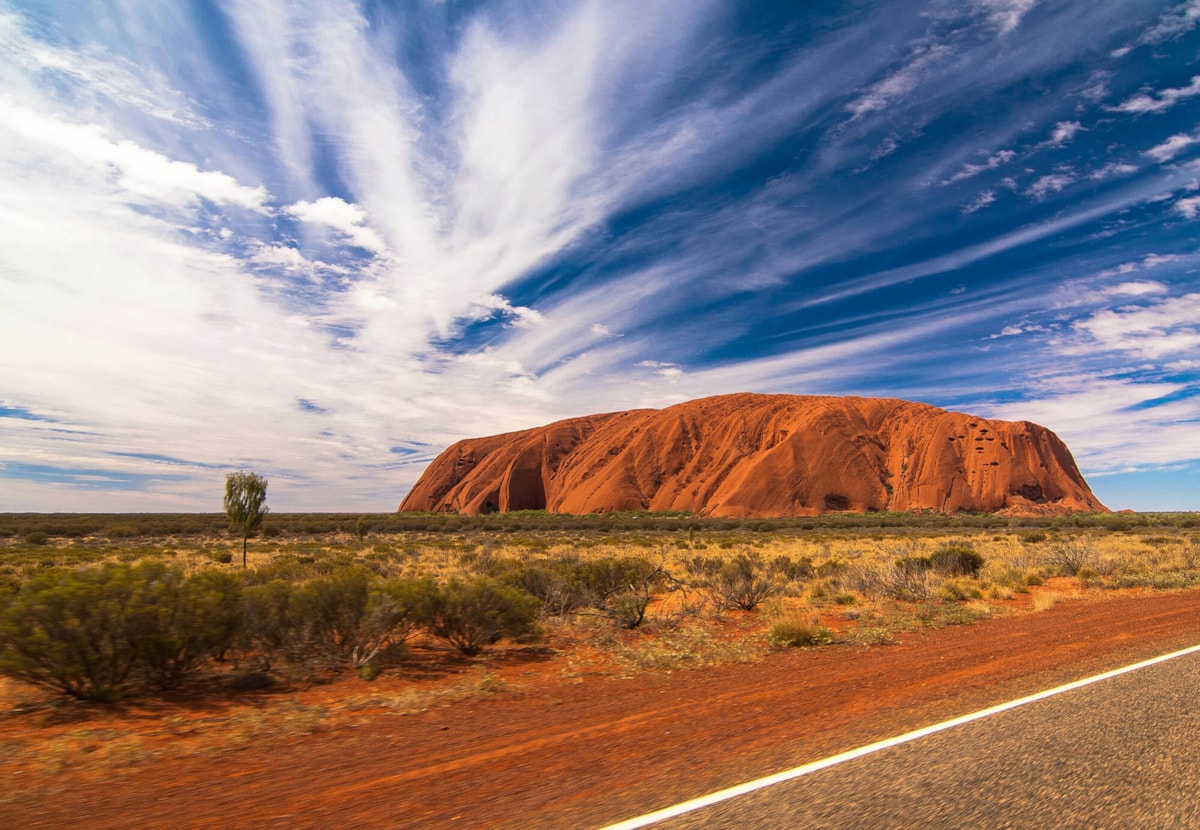
Uluru is one of the most photographed places in Australia, but photographs do a surprisingly poor job of explaining it.
From a distance, it looks almost smooth. Get closer and the surface becomes a patchwork of caves, folds, deep cracks and dark trails left by rain. Around its base are waterholes, rock art sites and places connected to the stories and knowledge of the Anangu people.
Uluru-Kata Tjuta National Park is Anangu land and a living cultural landscape shaped by Tjukurpa-Anangu law, culture and knowledge. The land was formally handed back to its Traditional Owners in 1985 and is now jointly managed by Anangu and Parks Australia.
Uluru, Kata Tjuta and the surrounding landscape hold deep cultural and natural significance, earning the national park dual UNESCO World Heritage recognition. It is one of only four places in Australia recognised for both its natural values and its enduring connection to Anangu culture and beliefs.
The Cultural Centre is the best place to begin your visit. It provides the context needed to understand the landscape, including why certain places are sacred and should not be photographed.
Uluru’s climb permanently closed in 2019 in recognition of its cultural significance and the wishes of Anangu. Experiencing the rock at ground level offers a much closer - and more meaningful - look at the landscape.

Go for a lap: the Uluru Base Walk
The 10.6-kilometre Uluru Base Walk is the main event for anyone keen to see more than the postcard view.
The track circles the entire rock, passing waterholes, woodland, caves and soaring sections of sandstone. Allow about three-and-a-half hours, although stopping regularly to take everything in is part of the point.
If a full circuit sounds ambitious, tackle one of the shorter walks instead. The Mala Walk explores the north-western side of Uluru, while the Kuniya Walk leads to Mutitjulu Waterhole, where rainwater can remain long after the surrounding desert has dried.
Ranger-guided walks are also available and bring greater meaning to features that might otherwise look like little more than an interesting dent in a very large rock.
Whichever walk you choose, begin early. The desert does not care that you slept badly or spent too long making breakfast.
Uluru has competition: meet Kata Tjuta
About 50 kilometres west of Uluru stands Kata Tjuta, a collection of 36 huge rock domes rising from the desert.
Its name means “many heads”, and its tallest dome reaches more than 500 metres above the surrounding plain. Even after seeing Uluru up close, the sheer scale of Kata Tjuta can catch you off guard.
The Walpa Gorge Walk is the easier option, following a rocky path into a narrow gorge between two domes. The longer Valley of the Winds walk pushes further into the formation, opening onto views across the domes and desert.
Tracks may close when temperatures become dangerously high, so check conditions and start early. All roads within the national park are sealed, making both major sites accessible to conventional vehicles.

The sunrise versus sunset debate
Sunset gets most of the attention at Uluru and for good reason. As the light fades, the rock shifts through shades of orange, red, rust and purple while a small forest of cameras rises in the viewing area.
Bring a chair, arrive before the tour buses and allow plenty of time. The change can be gradual, right up until it suddenly is not.
Sunrise offers a different experience. It is quieter, cooler and requires a degree of commitment from anyone who does not usually function before coffee. Watching the desert slowly appear around Uluru and Kata Tjuta is worth the alarm.
You can see sunrise and sunset times for the next few months on the Ayers Rock Resort website.

What else is there to do?
Once the walking shoes come off, there is still plenty happening. Visitors can join cultural workshops, browse galleries featuring Aboriginal art, ride a camel across the dunes or see the desert from above on a scenic flight. After dark, astronomy tours take advantage of the clear Central Australian sky, while light and drone experiences illuminate the desert without needing to scale its most sacred landmark.
You can also embrace the great pleasure of caravan travel: returning to camp, putting the kettle on and sitting outside beneath more stars than seem entirely reasonable.

Where to park the RV near Uluru
Despite all that open space, you cannot simply choose a patch of desert and call it home for the night.
Camping is not permitted anywhere inside Uluru-Kata Tjuta National Park. There are no national park campgrounds, free camps or overnight rest areas within its boundaries. RV travellers need to stay outside the park and drive in each day.
Here are a few campgrounds nearby:
Ayers Rock Campground: Ayers Rock Campground at Yulara is the closest and most convenient base, located about 20 kilometres from Uluru. It offers powered and unpowered sites for caravans, motorhomes and camper trailers, as well as tent sites and cabins. Facilities include camp kitchens, barbecues, toilets, showers, laundry facilities, a playground and a swimming pool - particularly welcome after walking around a giant rock in the desert. Sites are in high demand during the cooler months, so book early and check that your allocated site suits the length of your RV.
Curtin Springs Campground: The closest free camping option is Curtin Springs, approximately 100 kilometres from the national park. Unpowered sites are free and do not require a booking, with campers choosing their own spot on a first-in basis. A limited number of paid powered sites can be reserved. The campground has toilets, water and paid showers, while the adjoining Wayside Inn offers fuel and meals. There is limited shade and no black-water dump point, so arrive prepared.
Know before you go
A park pass is required to enter Uluru-Kata Tjuta National Park and is best purchased online before arrival. Visitors under 18 enter free.
Late autumn through early spring generally delivers the most comfortable walking conditions, although desert nights can become very cold. Summer temperatures are intense and can lead to track closures.
Carry plenty of drinking water, keep the fuel tank topped up and pack for both hot days and chilly evenings. Dogs are not permitted inside the national park, so travellers with pets will need to arrange suitable care. Dogs are permitted at Ayers Rock Campground.
Stay longer than sunset
Uluru may be the reason you make the journey, but it will not be the only thing you remember.
It could be your first close look at the caves around its base, the vastness of Kata Tjuta, a freezing desert morning or the moment the night sky appears above your campsite.
This is not a destination to race through. Park the RV, give it a few days and let the Red Centre take its time.