Lookouts, Walks and Blue Mountains Camping
Beyond the Three Sisters: A Blue Mountains break
The Three Sisters gets most of the attention, but there’s enough happening around them to fill a good few days in the Blue Mountains.
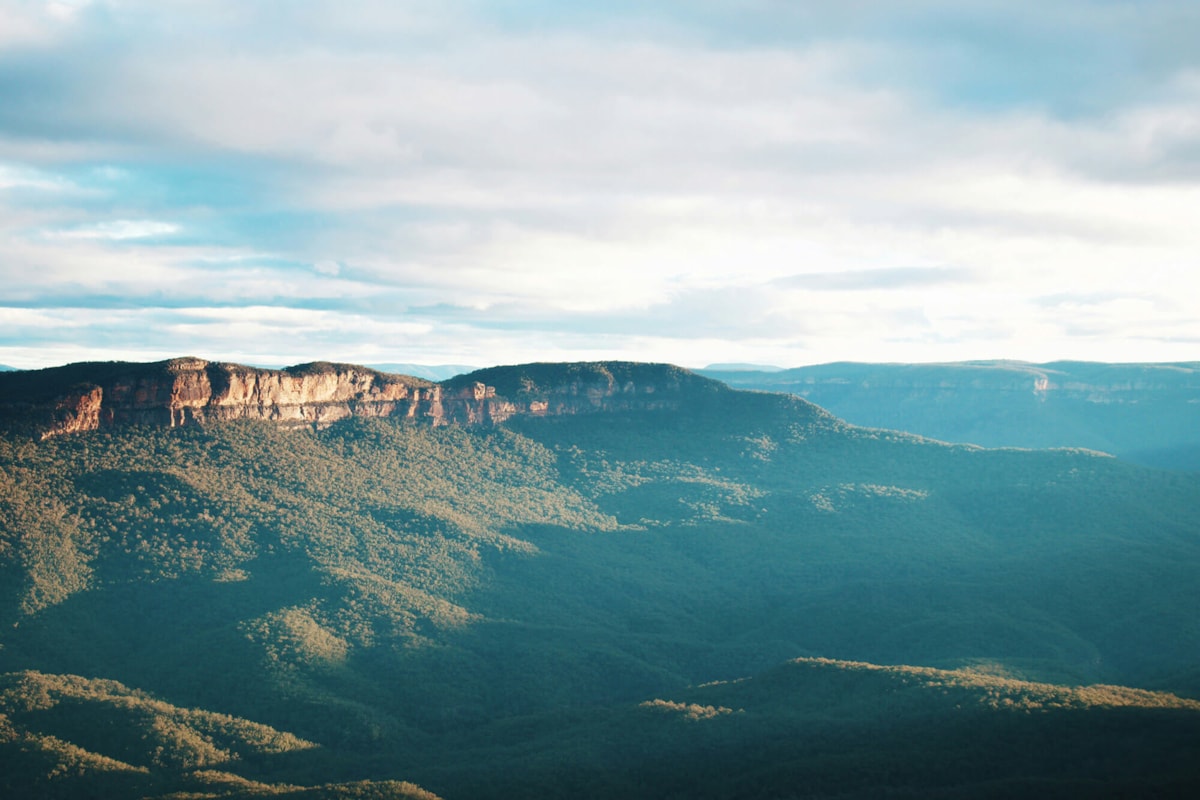
From the lookouts, the Blue Mountains seem enormous: sandstone cliffs, deep valleys and forest stretching into the distance. Back in town, the scale is more manageable. There are bookshops to browse, galleries to visit and cafés where a late breakfast can comfortably become an early lunch.
That combination makes this part of NSW a rewarding travel destination. You can spend a day on the tracks, another exploring the towns and a third doing whatever the weather allows. Find a suitable campsite, get settled and give yourself time to see more than the view from Echo Point.
The drive into the mountains
From Sydney, follow the M4 west towards Penrith, then continue along the Great Western Highway. Allow around two hours to reach Katoomba from central Sydney, depending on traffic, with extra time for towing and breaks.
The highway links the main mountain towns, including Wentworth Falls, Leura, Katoomba and Blackheath. Choose a base in Katoomba or Blackheath and you can explore several without packing up each morning.
- Katoomba puts the best-known attractions within reach, along with galleries, places to eat and useful services. Give yourself time to explore beyond the lookout circuit.
- Leura is made for an afternoon of shops, cafés and gardens. Allow a little longer if your travelling companion is prone to saying they’re “just having a quick look”.
- Blackheath is a handy base for the upper mountains and their lookouts, with opportunities for a meal or a wander before returning to camp.
Check your campground’s recommended approach before arrival, and leave the RV settled for day trips where possible. Busy village streets and lookout car parks are easier to navigate without it, particularly on weekends.

A much older story
Blue Mountains National Park is on Gundungurra and Darug Country, with Aboriginal connections to the landscape continuing today.
The Blue Mountains Heritage Centre at Blackheath is a good place to begin. Along with information about Aboriginal heritage, plants and wildlife, staff can help you choose walks and check current track conditions. The landscape itself is an ancient sandstone plateau, worn into cliffs, gorges and valleys over millions of years. In 2000, the wider Greater Blue Mountains Area received UNESCO World Heritage recognition. It covers roughly one million hectares across eight national parks and reserves, protecting exceptional biodiversity and extensive wilderness.
Its history as a holiday destination is more recent. Railway access improved in the 1860s, bringing visitors seeking cool air and mountain scenery. Hotels, guesthouses and gardens followed. You can still see that history in the towns, where old buildings and established gardens sit close to some remarkably wild country.
Start at Echo Point
Yes, it’s popular. Yes, you’ll probably share the lookout. The view is still worth seeing.
At Echo Point in Katoomba, the Three Sisters stands above the Jamison Valley, with forest and distant ridges extending well beyond the rock formation. Take a moment to look across the whole landscape before reaching for the camera.
The Three Sisters is a declared Aboriginal Place with significance to Gundungurra and Darug peoples. Read the interpretation while you’re there to better understand its cultural importance. If a cloud has swallowed the valley, try again later or the next day. Staying nearby gives you that option, rather than having to accept a photograph of fog as your lasting souvenir.
 The Three Sisters gets the attention, but the Jamison Valley gives you plenty more to look at. © Unsplash
Get below the lookout
Scenic World gives you several ways to experience the landscape, including the Scenic Skyway, Cableway, Railway and rainforest Walkway. The Scenic Railway, billed as the world’s steepest passenger railway, descends into the valley. It’s a memorable ride, even for the person who announces beforehand that they don’t usually enjoy this sort of thing.
Once below, the boardwalk provides a closer look at the forest. Ferns, tall trees and the sheltered valley floor offer a different experience from the open views above.
Scenic World opened in 1945 and remains one of the region’s major attractions. Check tickets, accessibility and availability before visiting, especially during school holidays.
Pick a walk that suits you
The Blue Mountains has walking options for different abilities, but it pays to read the track information carefully. A short distance can still involve steep stairs. A gentle descent can mean a demanding return. And a waterfall is much easier to enjoy when you haven’t spent the previous hour wondering how far away it is.
Around Wentworth Falls, lookouts and tracks offer views of cascading water and the Jamison Valley. Choose a route suited to your fitness and check current closures before setting out.
At Blackheath, Govetts Leap lookout provides sweeping views across the Grose Valley without requiring a long walk. For anyone keen to explore farther, the nearby Heritage Centre can help with route advice.
Carry water, wear shoes with grip and allow time to stop. The point is to enjoy the walk, rather than return to camp with an impressive step count and a complaint about your knees.
 Waterfall views are a good reason to lace up the walking shoes. © Unsplash
Where to stay with your RV
A serviced caravan park makes a practical base for exploring the main towns. Free camping is also available in the Megalong Valley, although access and suitability need checking before taking a larger rig down.
Katoomba Falls Tourist Park: Katoomba Falls Tourist Park offers powered and ensuite sites for caravans and motorhomes. Contact the park directly about unpowered camping. Facilities include showers, toilets, a camp kitchen, coin-operated laundry, barbecues and a dump point. It’s a useful base for visiting Katoomba’s attractions while keeping the everyday jobs manageable.
Blackheath Glen Tourist Park: Blackheath Glen Tourist Park offers powered and ensuite sites for caravans and motorhomes, along with unpowered camping. It’s well placed for exploring Blackheath and the upper mountains. Discuss your vehicle dimensions and site requirements with the park before booking. Pet stays are advertised for off-peak periods, so confirm permitted dates and current conditions if you’re travelling with a dog.
Old Ford Reserve: Old Ford Reserve is a free camping and picnic area beside Megalong Creek in the Megalong Valley. Sites are available for caravan, camper trailer and campervan camping, with public toilets and picnic facilities. Bring drinking water and arrive prepared for a basic stay. Before heading into the valley with a larger rig, contact Blue Mountains City Council to confirm road access, current camping conditions and suitability for your vehicle. Check pet rules, too. For suitably sized, self-sufficient setups, it offers a quieter alternative to staying in the main towns.
Before you head out
Mountain weather can change your plans. Pack warm layers and rain protection, even if it was sunny when you left home.
Check NSW National Parks alerts before choosing walks. Rockfalls, storm damage, maintenance and fire conditions can affect access.
Download maps before leaving reception, stay on marked tracks and keep back from cliff edges. For longer walks, tell someone where you’re going and when you expect to return.
Pet dogs are not permitted in Blue Mountains National Park, so arrange suitable care for park outings.
Give it a few days
A longer stay lets you work around the weather, revisit a lookout and explore without spending half the day watching the clock.
You might spend one morning walking and the next in town. You might find a favourite café or decide that the view at Govetts Leap deserves another visit.
That’s a good reason to bring the RV: you’ve got somewhere comfortable to return to, and no need to squeeze the whole region into a day trip.